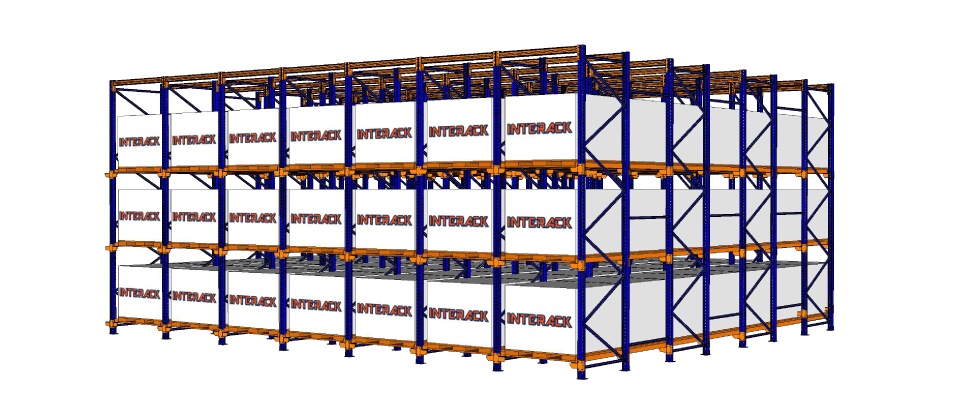



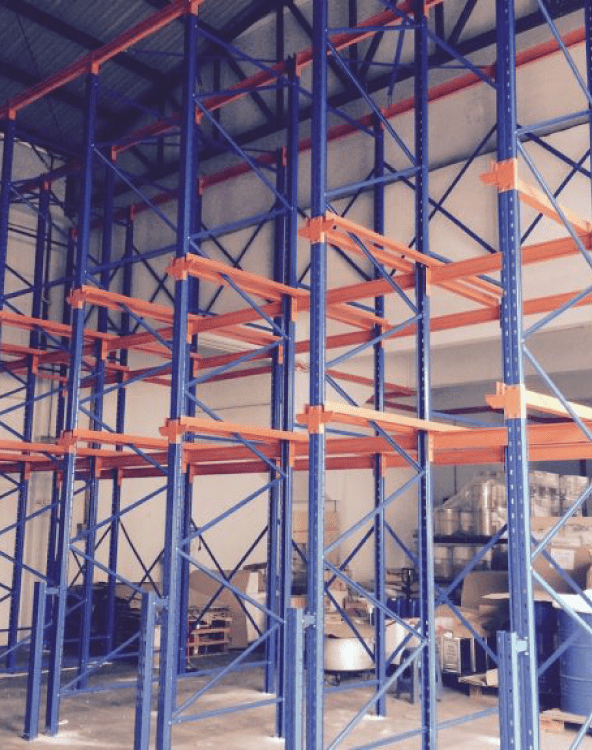
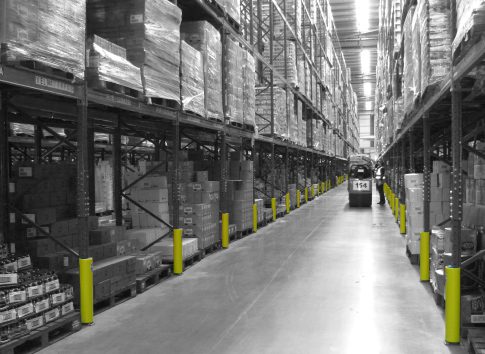
Industrial warehouse fan system integrated above high-bay heavy duty pallet racking
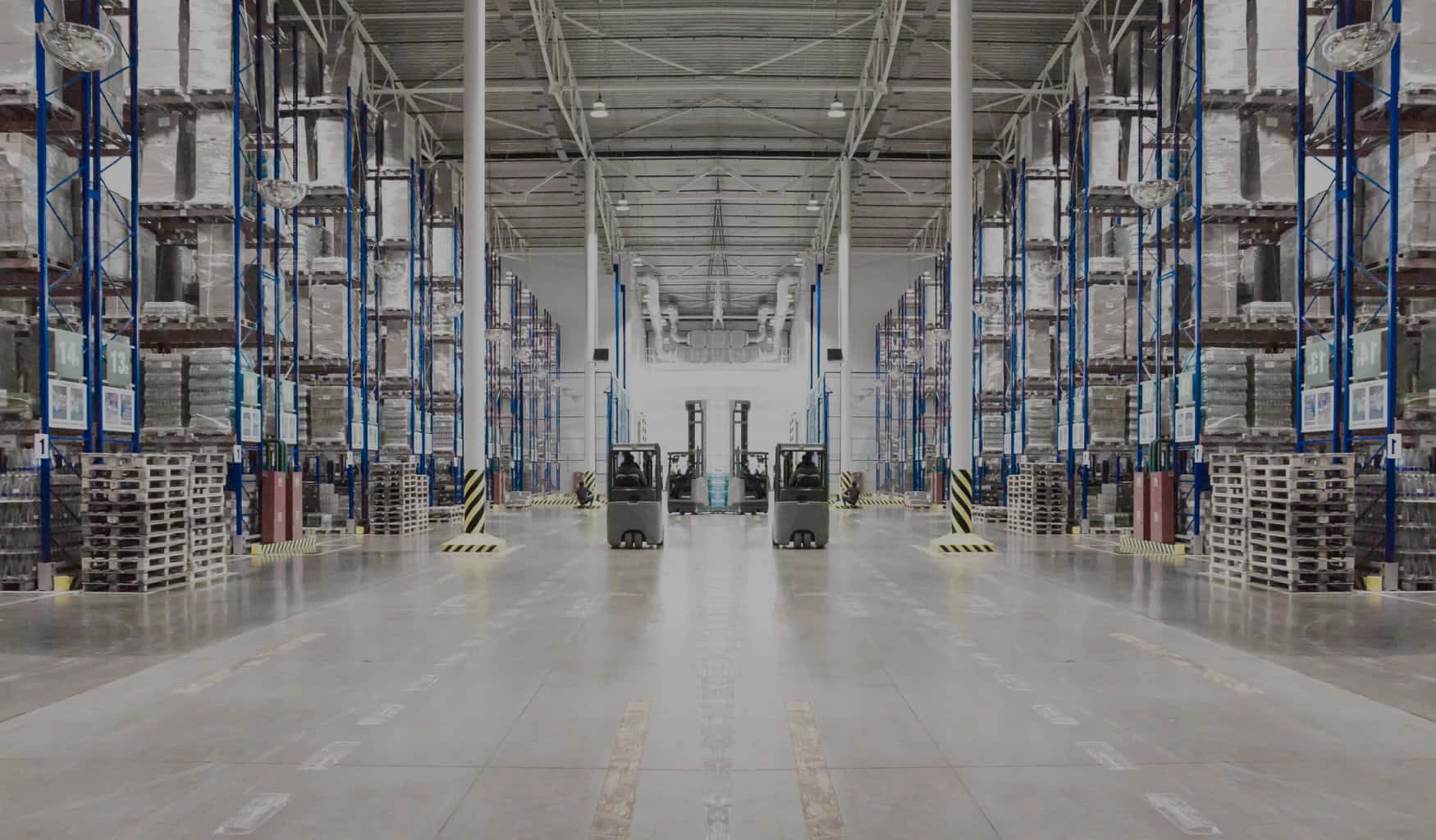
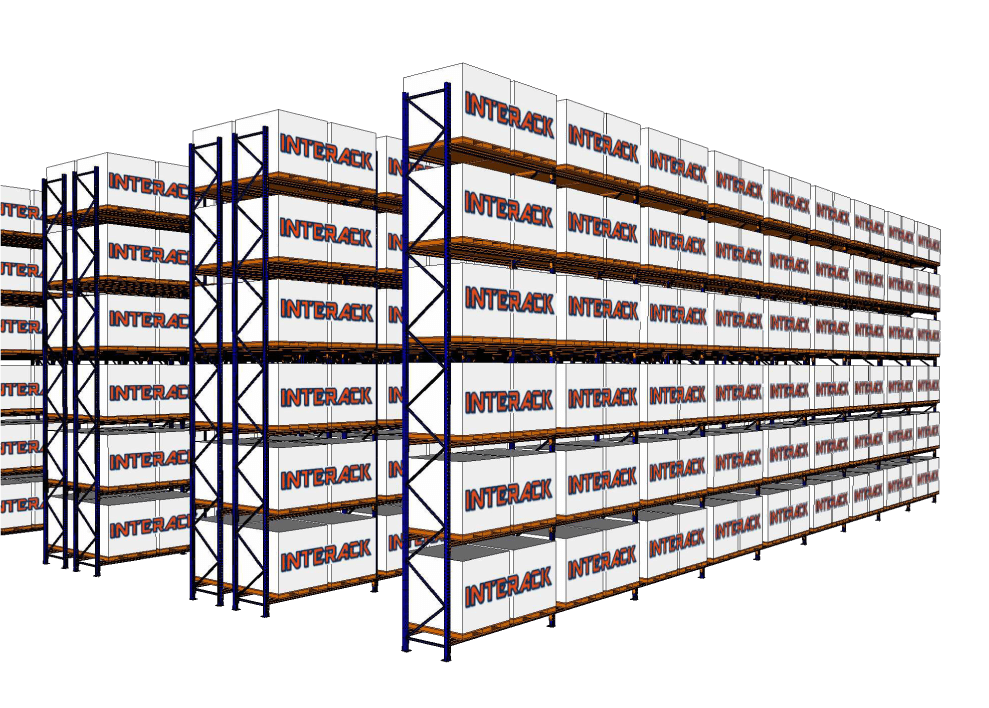
HVLS fan airflow distribution through wide logistics warehouse aisles
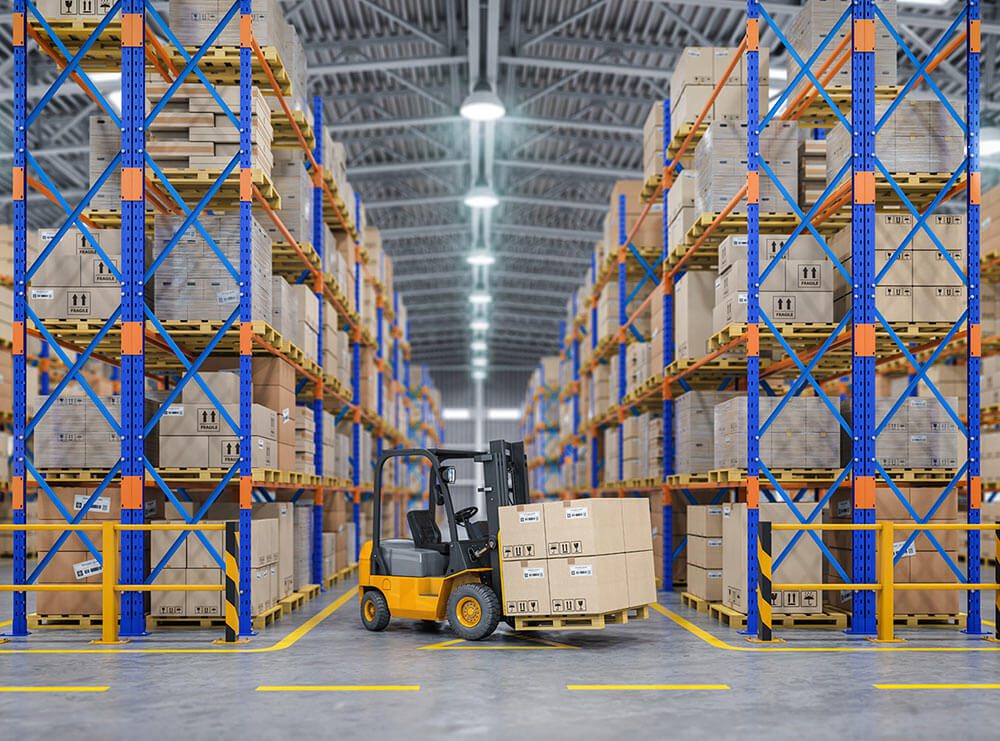
Climate-controlled industrial warehouse facility with ceiling ventilation
Acoustics, Aerodynamics & Industrial Storage Harmony

Industrial Warehouse Fan System: Thermal Destratification & Airflow Engineering Guide

How do global supply chain directors, industrial architects, and automated facility engineers eliminate microclimate hot pockets, reduce moisture condensation risks on pallet steel, and slash HVAC expenditure by up to 30%? Implementing an engineered Industrial Warehouse Fan System bridges the gap between vertical space optimization and active atmospheric management.

Modern mega-distribution hubs and automated high-bay facilities operate under severe thermodynamic challenges. When ceiling heights exceed 12 meters, warm air naturally stratifies toward roof trusses, generating up to a 10°C to 15°C temperature delta between upper storage tiers and pick-level ground floors. This air entrapment leads to accelerated corrosion on structural steel racking, sweating slab syndrome (SSS) that causes hazardous forklift skidding, and soaring electrical utility bills. By combining high-volume low-speed (HVLS) aerodynamic impeller technology with purpose-designed layout clearance protocols, operations attain uniform convective air currents across every selective pallet rack bay, radio shuttle channel, and multi-tier mezzanine platform floor.

30%Average HVAC heating/cooling energy reduction via destratification
5–7°CEffective evaporative cooling drop felt across working zones
100%Elimination of sweating slab syndrome (SSS) moisture pockets
ISO9001 & 14001 certified structural engineering and testing
Engineering Heritage & Systems Integration

Unified Structural Dynamics: Racks & Air Movement Built Together

My Interack Sdn. Bhd. (Registration SSM 202201004215 / 1449912-V) represents an industrial manufacturing cornerstone located in Shah Alam, Malaysia. Recognizing that warehouse safety, worker productivity, and asset durability are inextricably linked, our engineering department designs warehouse spaces as cohesive thermodynamic systems rather than isolated steel skeletons.

A frequent blind spot in global procurement is purchasing oversized ceiling fans without calculating rack aisle aerodynamic turbulence or obstacle clearance. A wide-blade HVLS fan installed directly over a tall high-density pallet racking battery creates erratic buffeting, stalls column air penetration, and risks violating NFPA 13 early-suppression fast-response (ESFR) sprinkler throw patterns. We mitigate this through combined computational fluid dynamics (CFD) modeling and mechanical stress certifications, guaranteeing vibration-free, non-resonant installation whether anchored to structural roof beams or integrated directly into mezzanine support frameworks.

  • In-house manufacturing backed by certified partner components under single-contract accountability
  • Precision CFD airflow planning to ensure zero interference with ESFR fire suppression systems
  • Comprehensive lifetime lifecycle service via our professional installation and inspection crews
Get Catalog
My Interack warehouse engineering mascot
Integrated warehouse layout showing airflow and racking integration
High-ceiling warehouse shelving requiring balanced environmental ventilation
Certified Operations ISO 9001 & 14001 certified precision manufacturing & site safety
Heavy structural hardware and anchor points engineered for dynamic loads
Engineered Ventilation Systems

High-Performance Industrial Warehouse Fan Classifications

Selecting the optimal industrial warehouse fan system requires balancing cubic feet per minute (CFM) output, effective air throw radius, motor thermal endurance, and clearance across narrow forklift corridors.

High-volume low-speed warehouse ceiling fan for large logistics facilities
Flagship Airfoil Architecture

AeroFlow HVLS High-Bay Ceiling Fan Series

Engineered for high-ceiling distribution centers, cross-dock freight stations, and wide-span manufacturing plants. Utilizing aircraft-grade 6063-T6 extruded aluminum blades and high-efficiency permanent magnet synchronous motors (PMSM), this series mobilizes massive air columns down to the ground, dispersing them laterally across multiple pallet rack aisles without disturbing pickers or paper packaging.

Coverage RadiusUp to 22 meters per unit (1,500 m²)
Motor TypeGearless PMSM, ultra-quiet < 38 dBA
Safety FeaturesQuad-locking guy wires, hub containment ring
Energy ImpactDraws under 1.5 kW at maximum velocity
Get Catalog
Directional high-velocity industrial aisle fan mounted alongside longspan shelving
Focused Aerodynamic Propulsion

AisleJet Directional & Rack-Mounted Fan System

Standard ceiling fans cannot penetrate long, tight corridors found in very narrow aisle (VNA) racking, multi-tier shelving, or pick-module mezzanine environments. The AisleJet series delivers focused, high-velocity laminar air streams designed to be clamped directly onto heavy-duty upright frames or structural ceiling purlins, pushing air up to 45 meters through dense racking corridors without obstructing order-picker mast travel.

Best forVNA aisles, e-commerce picking tunnels
Mounting VersatilityUniversal frame clamps, I-beam mounts
Oscillation & Pitch360° rotational bracket, 45° tilt angle
ProtectionHeavy-gauge OSHA powder-coated steel cage
Get Catalog
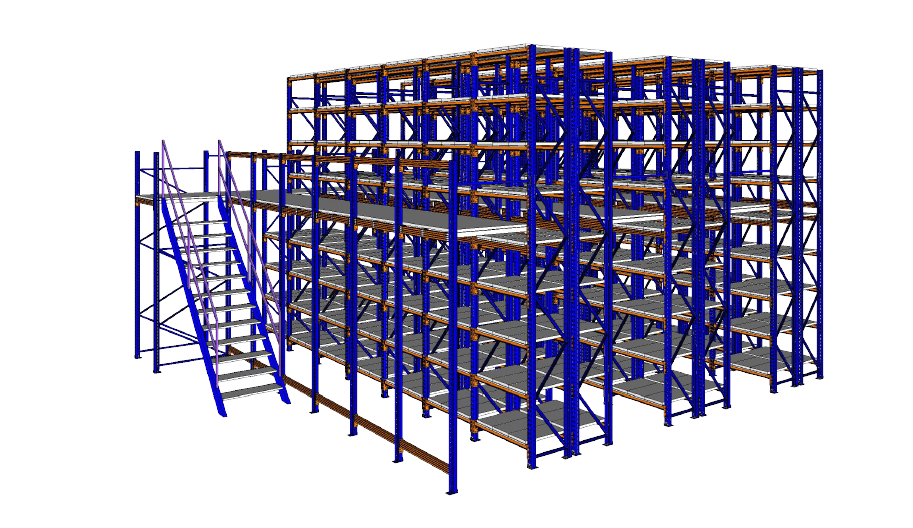
Industrial ventilation and destratification fan system for pallet rack mezzanine structures
Restricted Clearance & Elevated Platforms

StratumFloor Mezzanine Destratification Fan Series

Mezzanines and raised storage platforms frequently suffer from severe thermal trapping under intermediate decking. The StratumFloor series is engineered with a compact vertical profile to fit between deck joists and ceiling grids where drop-clearance is less than 3 meters. These units gently pull stagnant heat downward, creating balanced thermal comfort for fulfillment staff on second and third platform tiers.

Target SpaceStructural steel mezzanines, packing decks
Profile HeightLow vertical clearance design (< 400 mm)
Control Interface0-10V analog / Modbus digital automation
IP RatingIP55 washdown and dust-resistant certified
Get Catalog
Specialized Application

DockVortex Trailer Cooling Fans

Articulated, heavy-duty loading bay fan modules equipped with integrated safety spot-lighting. Flushes diesel exhaust fumes, heat buildup, and humidity out of incoming 40-foot shipping containers in under 3 minutes.

Intelligent Infrastructure

BMS-Linked Environmental Sensors

Networked humidity, particulate, and dry-bulb temperature sensor nodes that automatically calibrate fan rotation speeds according to dew point thresholds, preserving sensitive goods and timber pallets.

Engineering Reference

Technical Specification & Selection Matrix

Use this technical comparison matrix to cross-reference physical building specifications with proper fan diameter, motor power, and maximum volumetric flow rates.

Fan Series Diameter Range Air Volume (CFM) Motor Technology Clearance Requirement Optimal Facility Application
AeroFlow Max HVLS 6.1m – 7.3m (20ft – 24ft) Up to 425,000 CFM 1.5 kW PMSM Direct-Drive ≥ 1.5m below ceiling / 1.0m from racks Open-bay logistics hubs, bulk storage, air cargo
AeroFlow Mid HVLS 3.6m – 4.9m (12ft – 16ft) Up to 280,000 CFM 1.0 kW PMSM Direct-Drive ≥ 1.0m below ceiling / 0.8m from racks Medium-bay manufacturing, 3PL staging facilities
AisleJet High-Velocity 0.9m – 1.2m (3ft – 4ft) Up to 38,000 CFM 0.55 kW Sealed Induction Mounts to selective rack uprights / purlins Narrow aisle pallet racks, e-commerce pick corridors
StratumFloor Low-Profile 1.8m – 2.4m (6ft – 8ft) Up to 65,000 CFM 0.37 kW Compact PMSM Engineered for low vertical clearance (<3.5m) Multi-tier mezzanine platforms, sub-deck assembly
DockVortex Loading Arm 0.5m – 0.6m (20in – 24in) Up to 9,500 CFM 0.25 kW Variable Speed Wall/Column swivel arm mounting Cross-dock staging, inbound container unloading

*Data compiled from standardized laboratory wind-tunnel velocity tests and free-air CFM tests. True coverage is influenced by rack arrangement, roof profile, and ambient facility humidity.

Procurement Knowledge Base

Frequently Asked Questions on Industrial Fan Systems

Direct technical answers to the most common thermodynamic, architectural, and financial questions raised by industrial operations managers and global procurement executives.

Sweating Slab Syndrome occurs when warm, moisture-laden air enters a facility and encounters a cold concrete floor slab that has dropped below the incoming air’s dew point temperature. The moisture condenses rapidly onto the polished surface, creating an invisible, highly dangerous slip hazard for personnel and counterbalanced forklifts. An engineered industrial warehouse fan system eliminates this by generating continuous, uniform laminar airflow across the floor plane. This elevated surface velocity increases the rate of convective heat transfer—keeping slab temperatures above the ambient dew point—while sweeping stagnant moisture out toward facility ventilation vents.

To preserve structural safety and maximize volumetric airflow circulation, two core clearance rules must be respected: First, fan blade tips should maintain a minimum horizontal buffer of 0.9 to 1.2 meters from the closest pallet rack upright or upper load level to avoid aerodynamic shearing buffeting. Second, vertical clearance between the bottom surface of the rotating airfoil and the highest palletized inventory line must be at least 1.5 meters. In high-density installations—such as drive-in or radio shuttle systems—fans should be placed directly above main transit corridors rather than over high-density racks to allow unobstructed air cone downward dispersal.

If installed incorrectly, high-capacity ceiling fans can disrupt the discharge pattern of early-suppression fast-response (ESFR) sprinklers. NFPA guidelines mandate that HVLS fans must be positioned at least 0.9 meters below the plane of the sprinkler deflector and maintain a horizontal distance of at least 0.6 meters from any sprinkler head. Furthermore, industrial controllers must feature an integrated safety interlock that interfaces with the building's Fire Alarm Control Panel (FACP). Upon sprinkler or smoke detection, power to the fan drive is cut instantly, ensuring the fan comes to an engineered stop within seconds so water distribution remains completely unobstructed.

Air naturally stratifies according to density: heated air rises upward toward the ceiling ceiling truss (where it is lost via uninsulated roof panels), while dense, colder air settles at the warehouse floor where staff operate. In an unmixed 12-meter-high facility, the temperature delta can exceed 1°C per meter of elevation. By operating HVLS fans at low speeds in reverse (or low-RPM forward mode), the system pushes buoyant warm air gently back down to floor level without creating an uncomfortable draft. This recirculated thermal energy lowers warehouse thermostat activation frequency, slashing heating fuel consumption by 20% to 30%.

Traditional geared fan units utilize internal helical gears and lubrication oil to reduce motor RPM while increasing torque output. However, gearboxes inevitably experience gear backlash wear, potential oil seal leakage (which can ruin stored products underneath), and acoustic noise emissions over 55 dBA. Permanent Magnet Synchronous Motors (PMSM) rely on high-grade neodymium magnets and electromagnetic frequency drives to deliver massive torque directly to the hub. PMSM systems contain zero oil, operate under 38 dBA, require virtually no mechanical maintenance over their lifecycle, and offer up to 20% lower power draw.

According to research published by OSHA and ASHRAE Standard 55, ambient warehouse temperatures above 28°C result in steep declines in manual material handling productivity and significant increases in error rates and heat exhaustion incidents. An ambient breeze of 1.2 to 1.8 meters per second across the skin promotes evaporative cooling, lowering the effective thermal perception (sensible temperature) by 5°C to 7°C without the capital expenditure of conditioning millions of cubic meters of air. This creates an ergonomic working environment that improves labor retention and minimizes workplace fatigue incidents.

To perform an accurate computational fluid dynamics (CFD) model and optimize fan counts, our engineering team requires: (1) Architectural drawings showing clear heights, roof pitch, and structural beam purlin spacings; (2) The structural layout of all selective pallet racking, mezzanine platforms, and automated radio shuttle systems; (3) Fire suppression sprinkler schematics and elevation datum; (4) Available electrical infrastructure (415V 3-phase or 240V single-phase); and (5) Operational traffic patterns for picking crews and material handling equipment.

Yes. My Interack specializes in retrofitting airflow systems across operational facilities. For sites where roof-beam access is restricted by overhead cranes or complex conveyor lines, we engineer custom structural bracket attachments that secure high-velocity AisleJet and directional fans directly to existing heavy-duty upright frames or mezzanine columns. Our structural engineers review punch-out load calculations to verify that dynamic rotational forces do not compromise racking vertical load capacities.

Get Catalog
Versatile Operational Deployments

Industries Transformed by Engineered Air Systems

From temperature-sensitive pharmaceuticals to heavy manufacturing and e-commerce distribution, our industrial warehouse fan solutions stabilize internal atmospheres across every industrial sector.

Warehouse logistics icon

Logistics & 3PL Hubs

Eliminate stagnant air pockets across multi-aisle pallet racking, keeping shipping docks clear of condensation and personnel working comfortably during peak throughput periods.

Industrial manufacturing ventilation icon

Heavy Manufacturing & Assembly

Disperse heat generated by casting machines, fabrication tooling, and robotic welding cells, promoting clean air distribution across the assembly floor.

Food logistics and grocery cold chain icon

Food, Beverage & Cold Storage

Prevent condensation formation on corrugated carton packaging, control humidity levels, and maintain thermal uniformity across staging and cold-room buffer chambers.

Retail fulfillment and e-commerce center icon

Omnichannel E-Commerce Hubs

Maintain consistent thermal conditions across multi-tier mezzanine picking towers, reducing high employee turnover and picking mistakes caused by heat fatigue.

Clean storage and document archive icon

Archives & High-Value Storage

Prevent mold proliferation and cardboard breakdown by maintaining steady, low-velocity destratification air movement across dense storage systems.

Commercial workshops and multi-use facilities icon

Commercial Depots & Hangars

Wide-span aircraft hangars and maintenance terminals gain massive air throw coverage without cluttering active taxiways or staging zones.

Enterprise Reference Implementations

Proven Logistics Engineering Across Malaysia & Singapore

Demonstrated performance in major regional manufacturing hubs and multi-national logistics facilities, delivered with full project management accountability.

Sony EMCS Project Delivery (Malaysia)

Delivered a fully integrated warehouse storage and environmental layout designed for maximum picking density and optimal ventilation flow across high-bay operations in Selangor.

View Case Study Details

Singapore Cross-Border Logistics Distribution Terminal

Engineered multi-tier structural mezzanine flooring systems combined with balanced airflow circulation corridors to prevent tropical humidity retention in tight logistics spaces.

Explore Singapore Project
Trusted by Multinational Operators

Selected Clients & Supply Chain Partners

From global logistics leaders like DHL and CEVA Logistics to manufacturing giants like Adidas, Perodua, and Motorola, top-tier brands rely on My Interack engineering.

  • Industrial client partner logo
  • Industrial client partner logo
  • DHL Logistics logo
  • CEVA Logistics logo
  • Adidas warehouse logistics partner
  • Daihatsu manufacturing facility
  • Perodua automotive warehouse
  • Motorola electronic manufacturing
Transform Your Facility Climate

Upgrade to an Engineered Warehouse Fan System

Stop paying to trap warm air in your roof rafters while floors suffer from sweating slabs. Send us your facility layout, clear ceiling heights, and racking drawings for an integrated airflow audit and proposal.

Get Catalog Speak to an Engineering Specialist
+60 11-3302 1235[email protected]