Blog

What Is a Drive Thru Racking System?

What Is a Drive Thru Racking System?

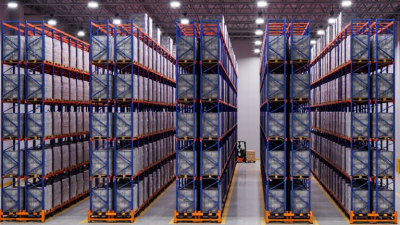
A Drive-Thru Racking System is a high-density pallet storage solution designed for access from both ends. Forklifts enter one side and exit the other. This simple movement supports first-in, first-out inventory rotation. The structure uses deep lanes, rails, uprights, and pallet supports. A forklift can travel inside the lane, placing pallets on guided positions. Imagine chilled food pallets moving through a cold room, with older stock leaving before newer stock. That visual explains the system better than a specification sheet. Dr. Edward H. Frazelle, a recognized warehousing researcher, explains the guiding principle this way: “Warehouse design should begin with the flow of goods, not the shape of the building.” That principle matters here. A Drive-Thru Racking System can increase storage density while preserving access at both ends. It may suit food distribution, beverage storage, manufacturing materials, and other products requiring controlled rotation. However, high density does not guarantee high performance. The system needs accurate pallet dimensions, disciplined loading, clear travel paths, and trained forklift operators. Small errors can create serious delays. One damaged rail can affect an entire lane. The design also has limits. It usually offers less direct access than selective pallet racking. Slow-moving, uniform products often benefit most. Mixed stock may become difficult to locate. This is where practical judgment matters. A warehouse may gain capacity yet lose flexibility. Reviewing product velocity, pallet weight, temperature conditions, and handling equipment remains essential before installation.
Read more »
Ethan By:Ethan - October 19, 2026
2026 Best Drive In Racking System for Warehouse Storage

2026 Best Drive In Racking System for Warehouse Storage

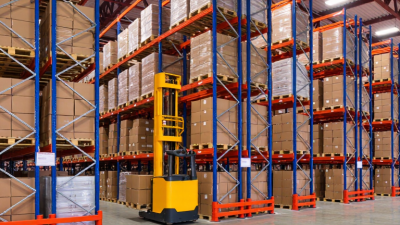
Choosing the 2026 Best Drive-In Racking System for Warehouse Storage requires more than comparing prices. It requires practical judgment, accurate measurements, and a clear understanding of product movement. Drive-In Racking System designs can create dense pallet storage by reducing unnecessary aisles. They work especially well for uniform products, stable loads, and high-volume inventory. Space efficiency matters. Warehouse consultant and author Gwynne Richards has stated, “The warehouse is no longer just a place to store goods; it is an integral part of the supply chain.” This view remains valuable in 2026. A racking system affects receiving, replenishment, picking, safety, and daily labor. It is not merely a steel structure. A strong selection process examines pallet dimensions, total load weight, forklift access, storage depth, and turnover rates. It also considers whether LIFO storage suits the operation. That assumption can fail when older stock must leave first. Temperature, floor quality, fire protection, and local safety requirements deserve equal attention. Real warehouses are rarely perfect. Floors may slope slightly. Forklift operators may need wider entry lanes. Product sizes may change during the year. This guide compares key Drive-In Racking System features, construction details, benefits, limitations, and maintenance needs. It also highlights common planning mistakes. The best system is not always the densest one. It is the design that safely supports reliable warehouse performance.
Read more »
Charlotte By:Charlotte - October 19, 2026
What Are the Top Selective Pallet Racking Systems for 2026?

What Are the Top Selective Pallet Racking Systems for 2026?

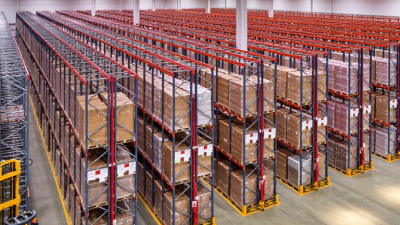
What Are the Top Selective Pallet Racking Systems for 2026? A Selective Pallet Racking System remains a practical choice for warehouses needing direct access to every pallet. Its simple layout supports fast picking, clear stock visibility, and flexible storage planning. Yet, “selective” does not mean automatically efficient. Rack depth, aisle width, pallet dimensions, and forklift turning space must work together. Warehouse consultant David J. Piasecki describes the wider challenge clearly: “A warehouse is a process, not a place.” That principle matters when comparing systems for 2026. A strong design must match real operating habits, not only published load ratings. For example, a distribution center handling mixed cartons may need adjustable beams and dedicated pick levels. A cold-storage facility may require corrosion-resistant finishes and carefully protected floor anchors. Small details matter. The leading options may include standard teardrop racks, narrow-aisle configurations, double-deep systems, and adjustable pallet-flow combinations. Each design offers a different balance between accessibility, capacity, cost, and handling speed. Automation may improve throughput, but it can also increase complexity and maintenance demands. Sometimes, a well-planned manual system performs better. That is the uncomfortable part. No rack system solves poor inventory discipline. Damaged pallets, overloaded beams, blocked aisles, and weak inspections can undermine even premium equipment. This guide examines the strongest Selective Pallet Racking System choices for 2026. It considers safety, scalability, installation quality, operating conditions, and long-term value. The final choice should reflect measured warehouse behavior, not marketing language.
Read more »
Ethan By:Ethan - October 19, 2026
+60 11-3302 1235[email protected]