High-Density Semi-Automated Pallet Storage Solution
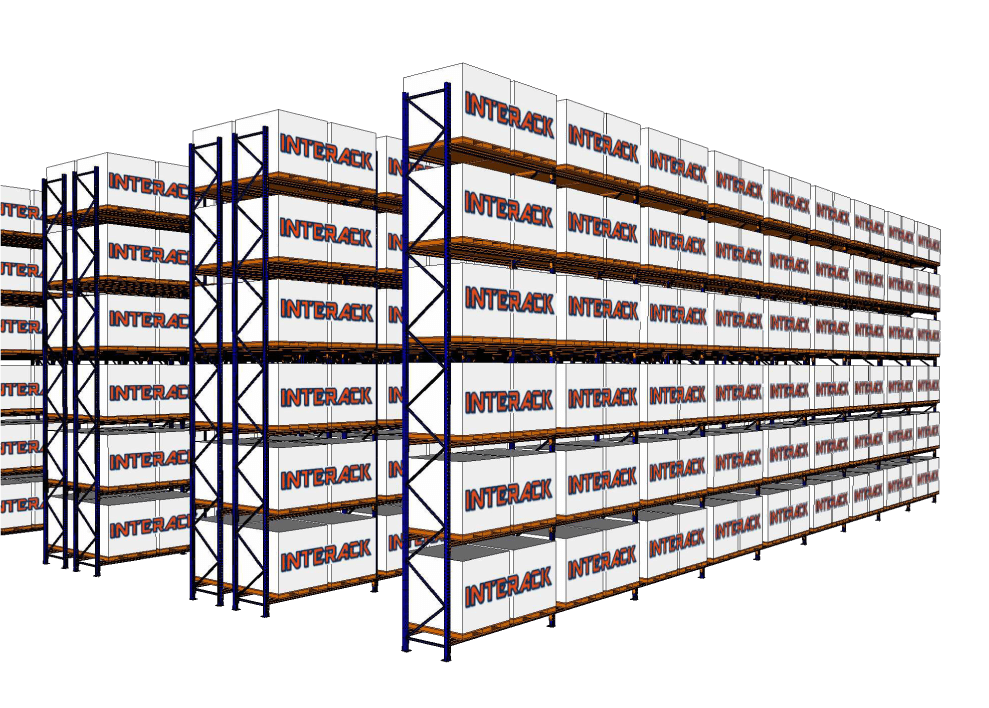
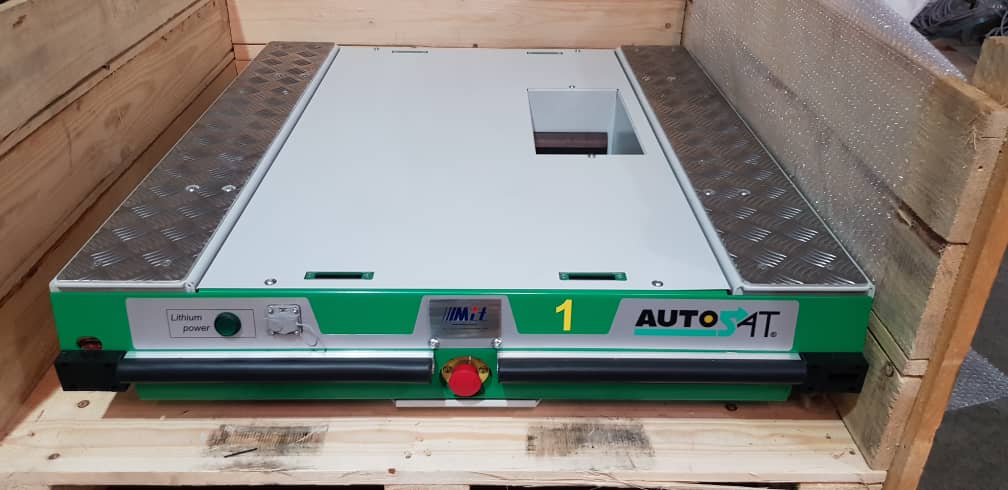
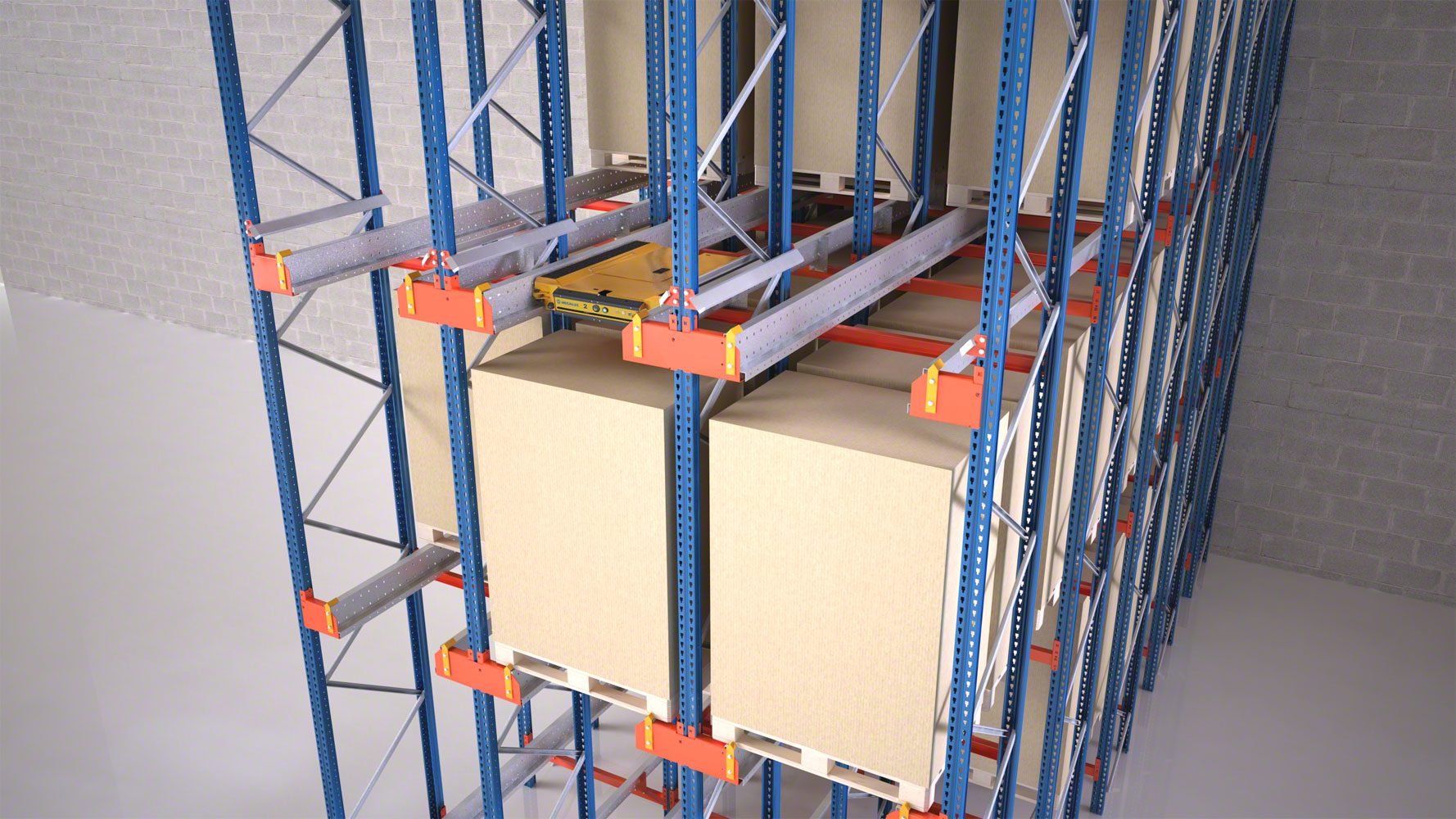
The 11000 Series Radio Shuttle Racking System is an ultra-dense pallet storage method that utilizes self-propelled shuttle carts to transport pallet loads within storage lanes. Forklifts remain in outer operating aisles, resulting in dramatically accelerated load cycle speeds, maximized vertical and volumetric space, and virtually zero rack impact hazards.
Custom tailored dimensions & layout engineering available
Complies with international FEM / SEMA / ISO standardsTechnical Performance & Capacities
Engineered with heavy-gauge certified structural steel and precision electrical components to sustain continuous industrial duty cycles.
| Parameter | Standard Specification | Heavy-Duty Option |
|---|---|---|
| Payload Capacity | Up to 1,000 kg per pallet | Up to 1,500 kg per pallet (Customizable) |
| Travel Speed (Unloaded) | 0.9 m/s – 1.1 m/s | Variable speed regulation |
| Travel Speed (Loaded) | 0.6 m/s – 0.8 m/s | Dynamic acceleration control |
| Operating Temperature | Ambient (-5°C to +45°C) | Cold Store / Deep Freeze down to -30°C |
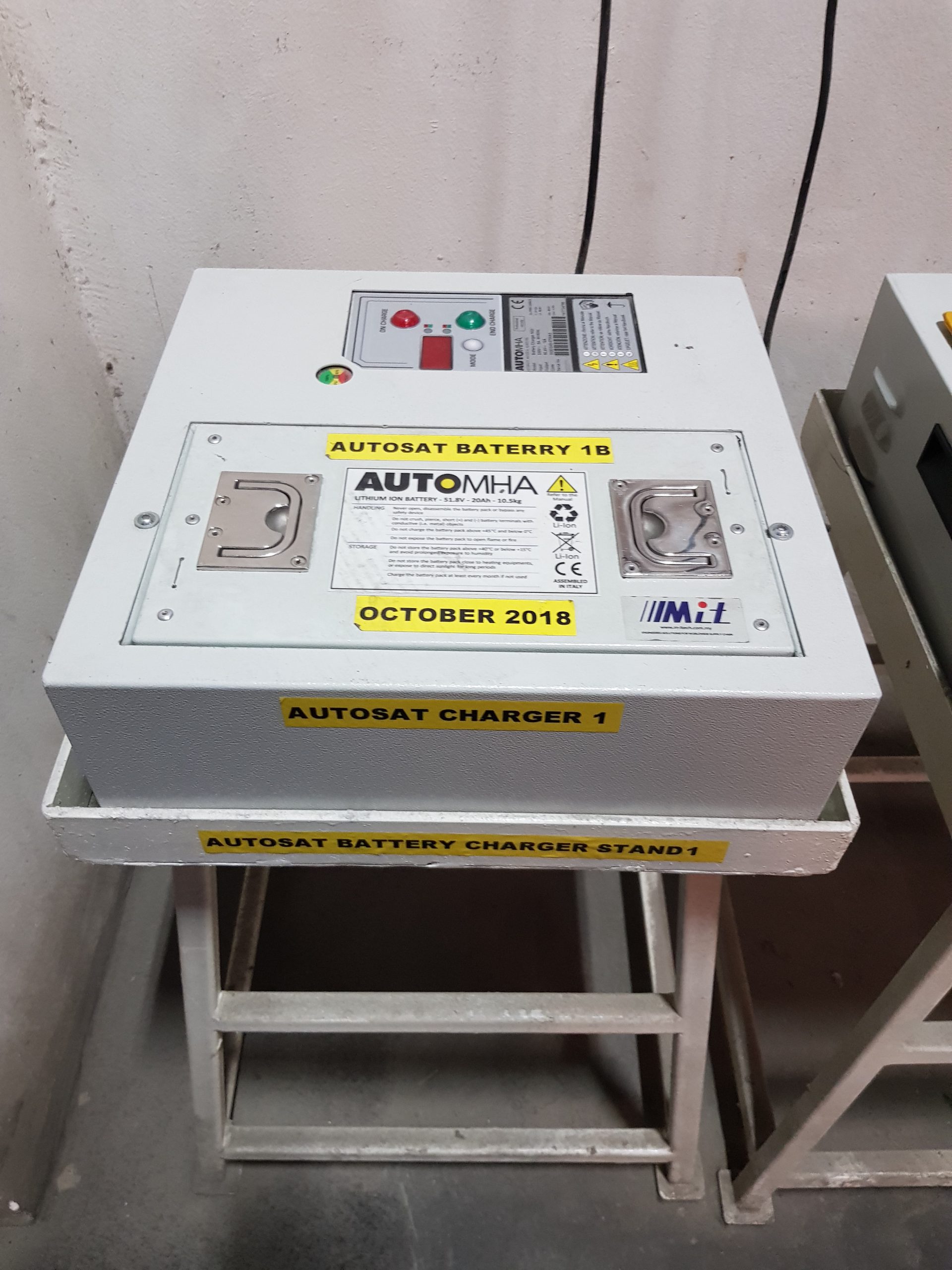
| Battery System | High-performance Lithium Iron (LiFePO4) | Rapid swap dual battery packs (8–10h operation) |
| Control Method | Industrial ergonomic Radio Frequency controller | Integrated WMS terminal via Wi-Fi network |
| Safety Equipment | Laser obstacle detection, mechanical end stoppers | Dual safety edge bumpers & acoustic alarm |
How The Radio Shuttle System Operates
Maximize throughput while reducing labor and lift truck depreciation across three streamlined steps.
Shuttle Insertion
The standard forklift deposits the lightweight radio shuttle onto the precision galvanized rail channels of the intended storage lane.
Automated Handling
Pallets are placed at the lane face. The remote-controlled shuttle lifts the pallet, carries it smoothly down the lane, and positions it tightly against previous units.
Retrieval & Handover
Upon command, the shuttle automatically retrieves pallets from inside the lane to the picking face, returning safely to home position when low on battery.
Frequently Asked Questions
Everything procurement officers and warehouse directors need to know when evaluating radio shuttle investments.
Regular maintenance ensures optimal performance and safety. Standard maintenance involves periodic optical sensor cleaning, shuttle wheel bearing inspections, track rail clearance alignment checks, battery terminal servicing, and structural load inspections by certified technicians under our Interservice maintenance programme.
The 11000 Series shuttle carts incorporate multiple fail-safes including intelligent laser proximity sensors to prevent collisions, physical track-end stops, emergency cut-off buttons, anti-slip pallet sensors, acoustic/visual indicator lamps, and automated self-recovery logic that brings the cart to the home station upon low battery detection.
Yes. The shuttle control system can interface with third-party WMS or ERP suites via standard RF / Wi-Fi interfaces. This allows full visibility over lane inventories, automated SKU sorting, cycle stocktaking, and seamless switching between FIFO (First-In-First-Out) and LIFO (Last-In-First-Out) logistics patterns.
Yes. We engineer customized cold-room configurations equipped with specialized electronic enclosures, condensation protection, and low-temperature lithium iron batteries operating efficiently in temperatures down to -30°C, drastically minimizing refrigerated volume wasted on forklift aisles.