0%

What Are the Top Selective Pallet Racking Systems for 2026?

A Selective Pallet Racking System remains a practical choice for warehouses needing direct access to every pallet. Its simple layout supports fast picking, clear stock visibility, and flexible storage planning. Yet, “selective” does not mean automatically efficient. Rack depth, aisle width, pallet dimensions, and forklift turning space must work together.

Warehouse consultant David J. Piasecki describes the wider challenge clearly: “A warehouse is a process, not a place.” That principle matters when comparing systems for 2026. A strong design must match real operating habits, not only published load ratings. For example, a distribution center handling mixed cartons may need adjustable beams and dedicated pick levels. A cold-storage facility may require corrosion-resistant finishes and carefully protected floor anchors. Small details matter.

The leading options may include standard teardrop racks, narrow-aisle configurations, double-deep systems, and adjustable pallet-flow combinations. Each design offers a different balance between accessibility, capacity, cost, and handling speed. Automation may improve throughput, but it can also increase complexity and maintenance demands. Sometimes, a well-planned manual system performs better.

That is the uncomfortable part.

No rack system solves poor inventory discipline. Damaged pallets, overloaded beams, blocked aisles, and weak inspections can undermine even premium equipment. This guide examines the strongest Selective Pallet Racking System choices for 2026. It considers safety, scalability, installation quality, operating conditions, and long-term value. The final choice should reflect measured warehouse behavior, not marketing language.
What Are the Top Selective Pallet Racking Systems for 2026?

What Defines a Selective Pallet Racking System in 2026?

What Are the Top Selective Pallet Racking Systems for 2026?

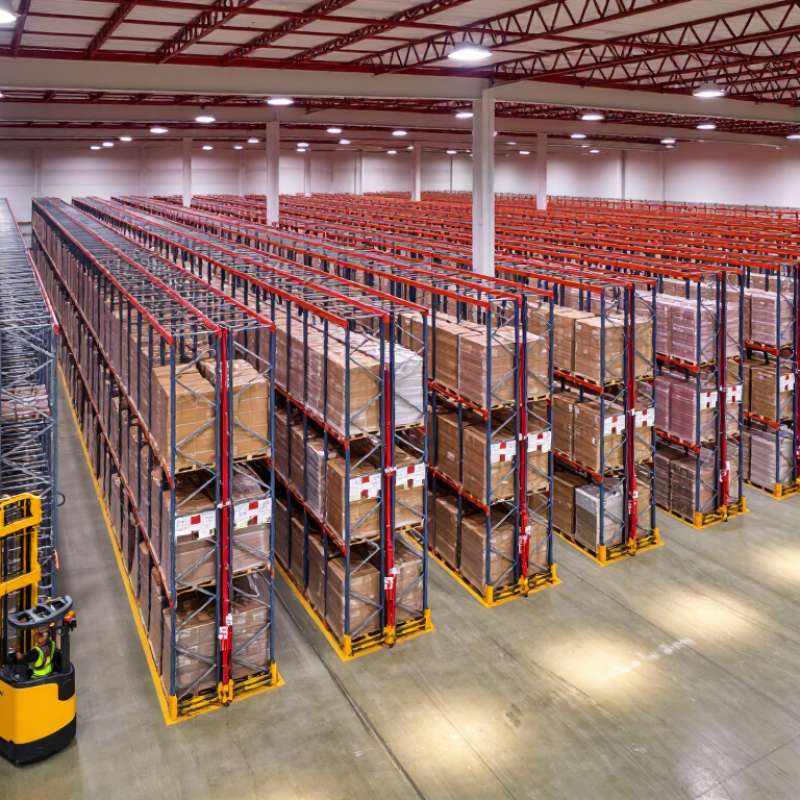
A selective pallet racking system gives forklifts direct access to every stored pallet. It typically uses upright frames, horizontal beams, and adjustable shelf levels. This layout remains practical because workers can locate stock without moving other loads. In 2026, the definition extends beyond steel components. A strong system must support accurate load data, safer inspections, and changing inventory demands. It should also accommodate different pallet dimensions, aisle widths, and lifting equipment. Flexibility matters more than maximum height.

Modern designs may include barcode integration, rack sensors, collision alerts, and warehouse software connections. These tools can help teams track damage or uneven loading earlier. However, technology does not replace competent design. Warehouse audits still need measurements, product weights, floor conditions, and traffic patterns. A system that looks efficient on paper may create slow turns or unsafe blind spots. That mistake is easy to overlook. It deserves review.

Tips: Confirm beam capacity for each storage level, not just the entire bay. Mark maximum loads where forklift operators can see them. Inspect uprights, beams, anchors, and floor damage regularly. Leave clearances around sprinklers, lighting, and emergency routes. Selective racking is not automatically the best choice for every warehouse. Slow-moving goods may suit it well, but very dense storage may require another configuration. Good planning accepts that compromise.

Which Selective Racking Configurations Suit Different Warehouse Needs?

Selective pallet racking remains a practical choice for many warehouses in 2026. Its configuration should match product variety, pallet flow, and available space. Single-deep rows offer direct access to every pallet, making them suitable for mixed stock and frequent picking. Adjustable beams also support changing pallet heights. In my warehouse assessments, this flexibility often prevents costly reconstruction later. Still, standard layouts can waste vertical space when aisle widths are poorly planned.

Double-deep racking increases storage density by placing pallets behind each other. It suits warehouses holding fewer product lines with larger quantities. Narrow-aisle systems create more positions within the same footprint, but they require accurate forklifts and disciplined traffic control. Very-narrow-aisle layouts may deliver higher capacity, though operating mistakes become more expensive. No layout is perfect. Fire protection, floor quality, rack height, and worker visibility must be checked before approval. A design that looks efficient on paper may slow daily loading.

Tips: Measure real pallet dimensions, not catalogue estimates. Record peak inventory, turnover rates, and forklift turning space. Leave practical clearance around beams and sprinklers. Review damaged pallets honestly; they can change the safest configuration. Test one aisle during normal shifts before expanding the full system. Small trials reveal problems that drawings often miss.

How Do Safety, Load Capacity, and Accessibility Shape System Selection?

What Are the Top Selective Pallet Racking Systems for 2026?

How Do Safety, Load Capacity, and Accessibility Shape System Selection?

Selective pallet racking remains a practical choice for warehouses needing direct access to every pallet. In site assessments, I examine aisle width, forklift turning space, floor condition, and daily traffic patterns before reviewing rack specifications. A system may offer excellent storage density but create unsafe congestion near loading doors.

Safety must guide the layout. Upright frames need suitable anchoring, protective guards, and clearly displayed load notices. Beam connectors should lock securely and resist accidental lifting during forklift movement. Regular inspections can reveal bent frames, missing pins, or overloaded beams before a small defect becomes a serious failure. Staff training matters too. Even strong equipment performs poorly when operators rush.

Load capacity should reflect real pallet weights, not average estimates. Consider pallet dimensions, beam spans, rack height, and uneven weight distribution. Heavier goods may require lower storage positions and stronger components. Accessibility also shapes productivity. Narrow aisles save floor space, but they demand compatible handling equipment and more disciplined driving. Wider aisles can reduce density while improving visibility and retrieval speed.

No design is perfect. A spreadsheet alone can mislead. Seasonal inventory changes may expose weaknesses that were invisible during installation. Reviewing rack performance after several months can support better adjustments, although many facilities treat this review as optional. That is a mistake worth reconsidering.

What Technologies Improve Selective Pallet Racking Performance?

In 2026, selective pallet racking performs best when storage hardware works with accurate digital controls. Warehouse teams combine barcode scanning, RFID, and warehouse management software to track each pallet. A scan at receiving can assign a location, confirm product identity, and reduce misplaced inventory. That sounds simple. Yet dirty labels and rushed scans still create costly errors. Experienced engineers treat these tools as decision aids, not magic.

Load sensors on beams can flag unusual weight changes before visible damage appears. Cameras and machine vision can detect leaning pallets, blocked aisles, or damaged uprights. These alerts help supervisors act before a small defect becomes a serious safety risk. Temperature and humidity sensors also protect goods stored in changing environments. Connected dashboards show utilization, inspection history, and overdue maintenance in one view. Keep alerts useful. Too many notifications become background noise.

Digital twins can test slotting changes before workers move a single pallet. Analytics may reveal that popular cartons sit too far from dispatch doors. Dynamic slotting then shortens travel time and reduces unnecessary forklift traffic. Driver-assistance tools can limit speed near intersections and warn about pedestrians. However, technology cannot replace trained inspections or clear load limits. A sensor can fail. A worker can misread a dashboard. Teams should calibrate devices, document checks, and review false alarms monthly.

How Should Businesses Compare and Choose Systems for 2026?

Businesses comparing selective pallet racking systems for 2026 should begin with actual operating data. Record pallet dimensions, weights, turnover rates, and forklift turning space. A system that looks affordable may waste capacity when beam levels are poorly matched. Check upright strength, beam adjustability, floor anchoring, and clear load labels. Ask suppliers for engineering calculations and inspection guidance. Local building and fire requirements also matter. Generic capacity claims are not enough.

During site reviews, compare at least three layouts using the same inventory assumptions. Measure usable pallet positions, travel distance, installation time, and maintenance access. Wider aisles may reduce storage density, yet they can improve handling speed and reduce collision exposure. Narrower layouts need suitable equipment and disciplined traffic control. Include floor condition, lighting, sprinkler clearance, and expansion plans. A cheap quote can become expensive after modifications.

Tips: Photograph every aisle before selecting equipment. Test a sample bay with a loaded pallet. Review the design with operators, not only managers. Request written tolerances and replacement procedures. Recheck calculations when pallet weights change. I would not treat software simulations as perfect; real traffic often behaves differently.

FAQS

What defines a selective pallet racking system in 2026?

It gives forklifts direct access to every pallet. A strong design also supports accurate load data, safer inspections, and changing inventory needs.

What components usually form the system?

Upright frames, horizontal beams, anchors, and adjustable storage levels form the basic structure. Beam positions can match different pallet heights.

Why does flexibility matter more than maximum height?

Flexible systems handle varied pallets, aisle widths, and lifting equipment more effectively. Maximum height is not everything. A very tall layout may slow turns or create blind spots.

What information should businesses collect before choosing a system?

Record pallet dimensions, weights, turnover rates, forklift space, and floor conditions. Measure real operations, not guesses. These details reveal whether the layout fits daily work.

How should businesses compare different layouts?

Compare at least three layouts using the same inventory assumptions. Measure pallet positions, travel distance, installation time, and maintenance access. Photograph each aisle before making a decision.

Can warehouse technology replace proper rack design?

No. Barcode tools, sensors, alerts, and software can identify damage or uneven loading earlier. They cannot replace engineering checks or competent design. That assumption can fail.

What safety details require regular attention?

Inspect uprights, beams, anchors, and floor damage regularly. Keep sprinkler, lighting, and emergency-route clearances open. Mark maximum loads where operators can see them.

How do aisle widths affect system performance?

Wider aisles may reduce storage density but improve turning space and handling speed. Narrow aisles need suitable equipment and disciplined traffic control. Real traffic behaves differently.

Is selective racking suitable for every warehouse?

No. It often suits goods needing direct access or slower movement. Very dense storage may require another configuration. Good planning accepts compromise.

What should businesses request from suppliers?

Request engineering calculations, beam-level capacities, inspection guidance, written tolerances, and replacement procedures. Test one loaded bay if possible. A cheap quote may become expensive after modifications.

Conclusion

In 2026, a Selective Pallet Racking System remains a practical warehouse storage solution designed to provide direct access to individual pallets while making efficient use of vertical space. The best configuration depends on inventory turnover, pallet dimensions, available floor area, aisle requirements, and future expansion plans. Options may include standard adjustable frames, narrow-aisle layouts, double-deep arrangements, or specialized designs for cold storage and high-density operations.

Choosing the right system requires careful attention to structural safety, load capacity, rack height, beam levels, forklift compatibility, and accessibility. Clear operating procedures, protective components, routine inspections, and professional installation help support reliable performance. New technologies can further improve efficiency through warehouse management software, barcode or RFID tracking, automated monitoring, and real-time inventory data. Businesses should compare systems by considering total cost, flexibility, durability, installation needs, maintenance, and long-term scalability. A balanced evaluation allows warehouses to select a safe, accessible, and adaptable solution that supports productivity throughout 2026 and beyond.

Ethan

Ethan

Ethan is a dedicated marketing professional with extensive knowledge of the company’s products, services, and target markets. With a strong background in strategic communication, customer insights, and digital content development, he helps translate complex product capabilities into clear,......
+60 11-3302 1235[email protected]