In modern supply chain management and intralogistics engineering, warehouse space optimization directly dictates operational throughput and cost efficiency per square meter. As global logistics networks transition toward automated fulfillment, cold-chain expansion, and high-cube vertical storage, selecting the right industrial steel shelving manufacturer in China has evolved from a simple procurement task into a high-stakes engineering decision.
This comprehensive industry whitepaper provides enterprise procurement officers, warehouse operations directors, and logistics engineers with an objective analysis of material yield strengths, structural safety factors, dynamic load compliance standards (EN 15512, FEM 10.2.02, RMI guidelines), and total cost of ownership (TCO) considerations when specifying industrial racking and steel shelving systems manufactured in China.
Explore our high-performance product lineup designed for logistics hubs, manufacturing plants, and commercial distribution centers.
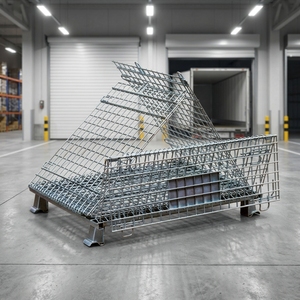
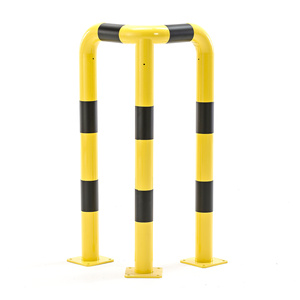
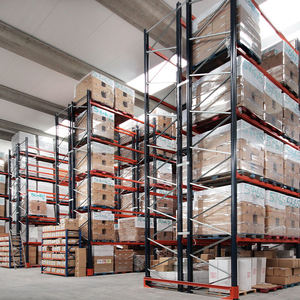
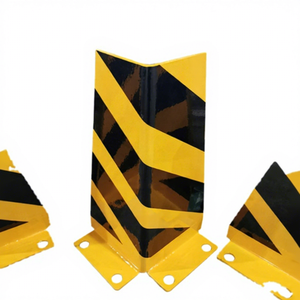
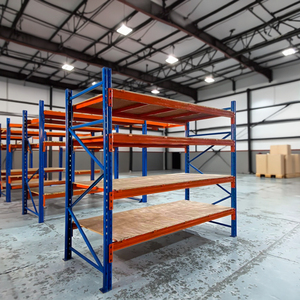
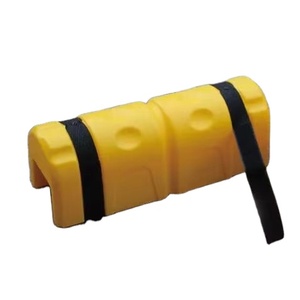
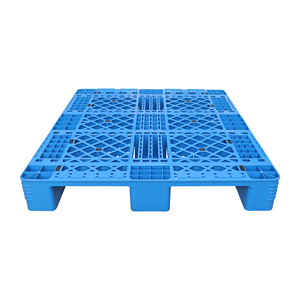
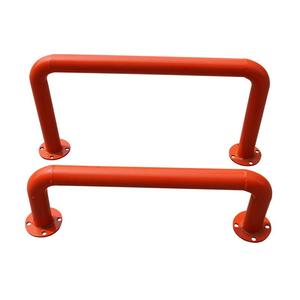
Compare standard industrial steel shelving and racking configurations based on mechanical properties and application suitability.
| Storage System Type | Steel Grade Standard | Typical Load Capacity | Handling Method | Volumetric Efficiency |
|---|---|---|---|---|
| Light-Duty Boltless Shelving | Cold-Rolled SPCC / Q195 | 100 kg – 300 kg / level | Manual Hand Pick | Medium (Retail / Backroom) |
| Medium-Duty Longspan Rack | Cold-Rolled Q235B | 300 kg – 800 kg / level | Manual & Cart Access | High (Carton / Parts Store) |
| Heavy-Duty Selective Pallet Rack | Structural Q235B / Q355B | 1,000 kg – 4,000 kg / level | Forklift / Reach Truck | 100% Pallet Selectivity |
| Drive-In / Radio Shuttle Racking | High-Tensile Q355B | 1,000 kg – 1,500 kg / pallet | AGV / Automated Shuttle | Ultra-High (High Density Bulk) |
| Rack-Supported Mezzanine Floor | Structural Steel Beams + Q235B | 300 kg – 1,000 kg / m² | Stairs / Freight Elevator | 200% Floor Area Duplication |
The integrity of an industrial steel racking system depends primarily on two physical variables: metallurgical composition and precision roll-forming geometry. Premium Chinese manufacturers utilize certified cold-rolled structural steel profiles, predominantly Q235B (equivalent to SS400 or ASTM A36) for standard load profiles and Q355B (equivalent to S355 / ASTM A572 Grade 50) for heavy-duty, high-bay column uprights.
How global supply chain dynamics, automation, and ESG metrics are reshaping industrial storage sourcing.
Global procurement is shifting from static selective pallet racking toward automated shuttle systems (Radio Shuttle, AS/RS, 4-Way Shuttle). Buyers increasingly demand precise manufacturing tolerances (±0.5mm) on rack profiles to accommodate robotic sensors and automated guided vehicles (AGVs).
Enterprise buyers require zero-VOC (Volatile Organic Compounds) electrostatic powder coatings, low-carbon steel sourcing certifications, and eco-friendly manufacturing processes. Top Chinese factories are adopting solar-powered roll-forming facilities and closed-loop water recovery systems.
Procurement teams no longer purchase hardware in isolation. Modern RFQs require suppliers to provide end-to-end services, including CAD/3D structural simulation, seismic loading design calculations, international freight optimization, and overseas installation supervision.
The industrial steel shelving market is undergoing significant technical innovations. Manufacturers are leveraging advanced finite element analysis (FEA) software to engineer lighter, ultra-high-tensile steel profiles that maintain structural load integrity while reducing raw material consumption.
Computer-simulated stress analysis ensures optimized upright teardrop perforation design without compromising section modulus.
Fully automated robotic welding arms deliver 100% consistent beam-end connector penetration welds, eliminating manual weld defects.
Integration of strain-gauge sensors into structural uprights to alert warehouse managers of accidental forklift impact damage or overloading.
Combining structural steel frames with modular high-impact polymer protectors and heavy-duty galvanized wire mesh decking.
Combining massive production scale, international quality standards, and deep engineering experience.
Operating state-of-the-art manufacturing plants equipped with continuous roll-forming lines, automated powder coating loops, and robotic welding cells. Adhering strictly to ISO 9001 quality and ISO 14001 environmental protocols.
Our experienced structural engineering team analyzes your floor plan, clear ceiling heights, floor slab PSI limits, pallet dimensions, and forklift turn-radii to produce optimized 2D/3D CAD layout proposals.
From initial manufacturing to overseas container packaging, port logistics, on-site assembly guidance, and annual rack safety inspection programs (e.g. 18000 Series Interservice), we guarantee total project reliability.
Clear answers to essential engineering, sourcing, and logistics questions when importing steel shelving from China.
Most standard industrial racks utilize high-grade cold-rolled carbon steel Q235B (yield strength ≥ 235 MPa). For heavy-duty pallet racking uprights or high-bay automated warehouses, Q355B high-tensile steel (yield strength ≥ 355 MPa) is specified to maximize vertical load capacity while maintaining slim structural profiles.
Load capacities are calculated using Finite Element Analysis (FEA) software and verified through physical static load testing according to international standards such as FEM 10.2.02, EN 15512, or ANSI/RMI MH16.1. Detailed structural calculations and load signage placards are provided with project proposals.
Yes. Custom roll-forming tooling, specialized beam lengths, non-standard frame depths, powder-coat RAL color matching, and custom punch pitch patterns are standard capabilities for top-tier Chinese racking suppliers.
For standard dry ambient warehouses, electrostatic epoxy powder coating is optimal. For cold storage, high-humidity environments, or outdoor storage, pre-galvanized or hot-dip galvanized steel (HDG compliant with ISO 1461) is utilized to ensure long-term rust prevention.
Racking components are engineered for knock-down (KD) assembly. Upright frames, cross beams, and shelf panels nested closely in ocean freight containers (20GP / 40HQ), maximizing volumetric density and dramatically lowering per-unit freight costs.
Suppliers provide detailed CAD assembly drawings, step-by-step installation manuals, and video guides. For large-scale projects, qualified installation supervisors can be deployed on-site to oversee local labor and perform final load handover inspections.
Connect directly with our senior intralogistics engineers for a complimentary CAD layout proposal, structural load assessment, and factory-direct quotation.