High-speed belt conveyor systems reach peak efficiency only when harmonized with precision-engineered staging, dynamic flow channels, vertical mezzanines, and robust warehouse foundations. Explore our core export-grade structural solutions engineered for automated and semi-automated distribution centers.
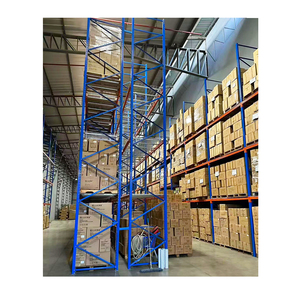
Continuous horizontal and inclined transportation represents the circulatory system of modern high-density distribution centers, automated order fulfillment facilities, and assembly complexes. A belt conveyor system is not merely an isolated piece of mechanical machinery; it operates as an integral node within an intertwined material flow network encompassing carton flow gravity tracks, structural mezzanine floors, automated radio shuttle racks, and pallet loading zones. Choosing the correct industrial manufacturing partner demands rigorous technical scrutiny that transcends baseline machinery quotes.
International buyers and supply chain executives frequently encounter critical operational friction when conveyor sub-assemblies fail to interface precisely with static warehouse storage infrastructure. Misalignments in dynamic conveyor discharges, localized floor slab load concentration beneath support pylons, and uncoordinated electrical control protocols can derail automated warehouse schedules. Leading global operations prioritize conveyor manufacturers and turn-key intralogistics exporters capable of synthesizing structural engineering, automated motion profiles, dynamic mechanical tolerancing, and continuous lifecycle maintenance.
To secure operational reliability, international procurement teams utilize this weighted engineering evaluation matrix when qualifying global manufacturing candidates and specialized export hubs.
| Evaluation Pillar | Engineering Metric & Standards | Operational Risk Addressed | Benchmark Expectation |
|---|---|---|---|
| 1. Structural Rigidity | Cold-rolled steel / Structural extrusion thickness | Frame deflection under maximum dynamic load | Deflection ratio ≤ 1/500 under peak continuous transit |
| 2. Drive Engineering | IE4/IE5 PMAC motors, direct-mount reduction gearboxes | Thermal failure, excessive kWh consumption, phase slip | >92% mechanical efficiency across variable frequency curves |
| 3. Belt Specification | Multi-ply synthetic fabric, cleated PVC, PU food-grade | Belt delamination, longitudinal tracking drift, elongation | Permanent elongation <0.5% at rated operating tension |
| 4. Bearing & Idler Life | Sealed precision bearings (L10h life rating >60,000 hrs) | Catastrophic bearing seizure, line seizure, fire hazards | Dynamic balance to ISO 1940-1 grade G6.3, low noise <65 dBA |
| 5. Integration Tolerance | Modular mezzanine & carton flow handshake interfaces | Bottlenecks at conveyor infeed/discharge staging nodes | Laser-calibrated transition gaps <2.0mm for smooth item transfer |
| 6. Environmental Quality | ISO 9001:2015 & ISO 14001:2015 factory certification | Weld cracking, inconsistent steel tensile properties, audit failure | Certified mill test certificates (MTC) and QA documentation |
| 7. Cross-Border Packaging | ISPM 15 heat-treated crating, sea freight rust inhibitors | Salt air corrosion during oceanic shipping, transit warp | VCI vapor barrier packaging, modular knocked-down flat packing |
| 8. Turnkey Site Crews | Certified in-house installation and anchoring teams | Subcontractor installation errors, anchor shear in slab | Factory-trained installation crews with laser leveling tooling |
| 9. Control Architecture | Fieldbus protocols (Profinet, EtherNet/IP, IO-Link sensors) | Integration blindspots with existing warehouse WMS/WCS | Plug-and-play decentralized distributed I/O motor controllers |
| 10. Inspection Protocols | Scheduled structural inspection & rapid component supply | Unscheduled facility shutdown, regulatory non-compliance | Complete spare parts availability within 48-hour delivery SLA |
An isolated belt conveyor line fails to provide positive ROI unless systematically integrated with buffer staging and vertical storage architectures. In state-of-the-art facilities, conveyor circuits link seamlessly with elevated structural mezzanine platforms and high-density racking matrices to convert unutilized cubic headspace into dynamic fulfillment capacity.
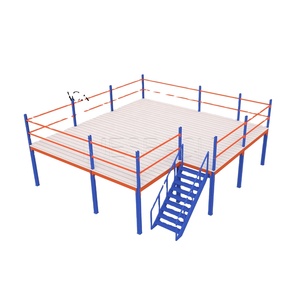
By mounting belt conveyor inclines directly adjacent to multi-tier steel platforms, goods flow automatically between sorting floors and floor-level selective pallet bays. In-house engineering ensures support pylons distribute dynamic loads across warehouse concrete slabs without causing micro-fissures or anchor displacement.
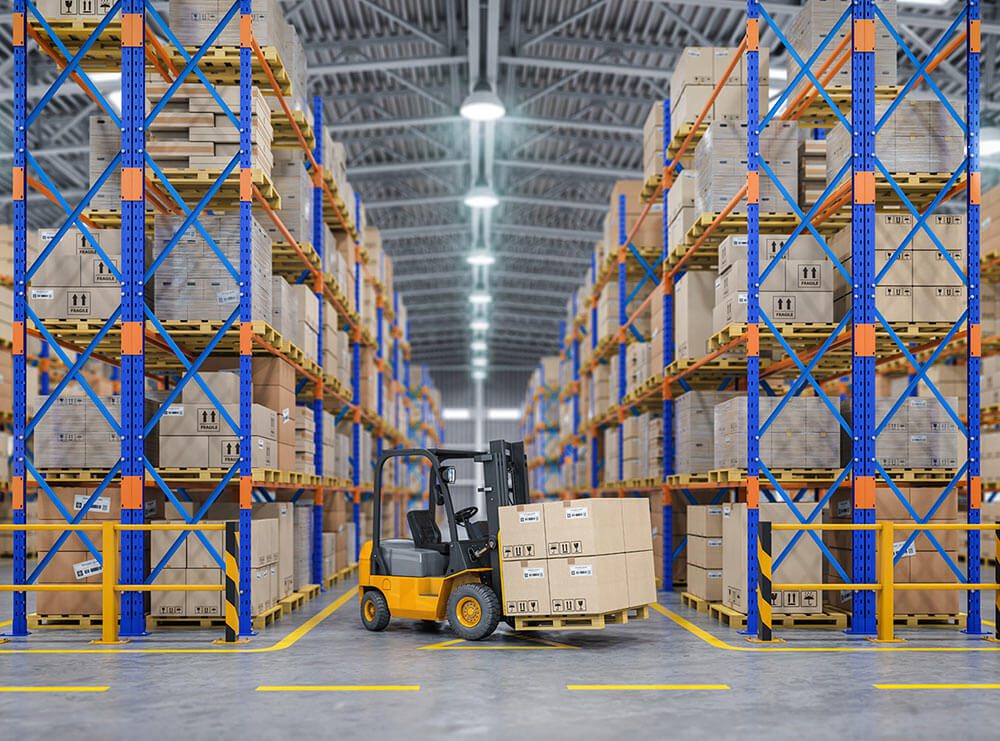
Operating under Malaysian registered manufacturing authority (SSM 202201004215 / 1449912-V), My Interack combines proprietary cold-rolled steel manufacturing facilities with an international consortium of verified equipment specialists. We deliver engineered industrial handling solutions spanning Malaysia, Singapore, and global export corridors.
We operate proprietary manufacturing lines while acting as a vetted engineering contractor for comprehensive intralogistics systems. Clients secure factory-direct pricing on steel fabrications alongside turn-key automation under a single, unified SLA.
All steel profiles, fasteners, decking, and dynamic components adhere to verified quality management frameworks. We ensure rigorous tensile structural integrity while minimizing environmental footprints throughout laser cutting, forming, and electrostatic powder coating.
Material handling systems experience continuous dynamic stress. Our dedicated engineering service team executes preventative structural inspections, re-torque schedules, laser belt alignment, and prompt component replacement to eliminate operational downtime.
Rather than offering generic catalog layouts, our engineers assess your actual floor plans, ceiling clearance, sprinkler zones, forklift fleets, and unit load profiles to develop custom, space-maximized material flows before initial steel fabrication begins.
Demonstrated installation success across multinational footprints, including high-specification facilities for Sony EMCS in Malaysia and complex cross-border logistics warehousing installations in Singapore, proving our export packaging and international coordination.
From preliminary engineering load calculations and foundation slab testing to precision laser leveling, certified seismic anchoring, and clear operational load signage, we hand over systems 100% ready for regulatory compliance and active operation.
Procuring belt conveyor infrastructure involves planning for operational demands 10 to 15 years down the line. Strategic procurement teams must account for significant technological shifts reshaping the intralogistics capital equipment market.
Traditional bulk material handling historically relied on massive centralized AC motors connected via chain drives and complex line shafts. The industrial market is shifting rapidly toward distributed motorized drive rollers (MDR) and decentralized low-voltage belt sections. This architecture isolates drive operations to zones actively carrying freight, reducing facility idle energy consumption by up to 55% while eliminating mechanical failure bottlenecks.
Forward-looking global buyers now prioritize 10-year operational cost formulas rather than lowest bid FOB machine prices. Modern procurement analyses weigh motor electrical efficiency (IE4 vs IE2), modular belt swap velocity (reducing replacement downtime from 6 hours to 20 minutes), and predictive sensor integration. Investing in superior alloy steels and precision ground shafts saves tens of thousands of dollars in unscheduled line stoppages.
With ESG reporting mandates expanding across international corporations, equipment procurement guidelines heavily weigh carbon accounting. Conveyor manufacturers are responding with 100% recyclable thermoplastic polyurethane (TPU) belting, halogen-free flame retardant composite sliders, and lead-free electrostatic powder finishes that comply with strict global environmental mandates.
Conveyor pulleys and high-speed bearings now integrate IO-Link vibration and thermal sensors that calculate real-time Fast Fourier Transform (FFT) harmonic patterns. Maintenance systems receive autonomous warnings long before bearing raceways suffer mechanical micro-spalling.
High-speed overhead optical scanners monitor item orientation, volumetric dimensions, and belt center tracking. Smart vision controllers communicate directly with upstream feeder lines to adjust belt speed, preventing pile-ups at induction chutes.
Before cutting a single beam of steel, factory engineers execute complete physics-engine simulation twins of the facility layout. This validates package dynamics, transfer clearances, and variable frequency drive response curves under synthetic peak load conditions.
Our integrated conveyor structures, mezzanine platforms, and storage racks are configured to meet strict industry-specific material handling standards.

Heavy-duty staging conveyors and modular parts shelving optimized for continuous assembly lines.

High-throughput sortation loops, pallet racking matrices, and automated radio shuttle interfacing.

Rapid order consolidation conveyors and back-room replenishment racks that speed turnaround.

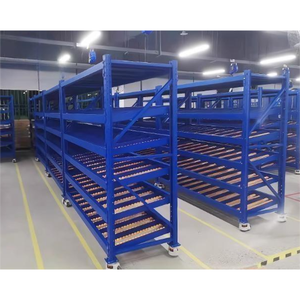
High-density dynamic FIFO carton flow beds and low-temperature resistant transport components.

High-density rivet and boltless shelving systems for organized, secure manual record handling.

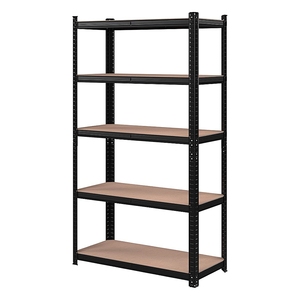
Versatile, rust-resistant light-duty racking units suited for rapid assembly and workshop environments.
Our engineering, structural integrity, and project delivery are vetted by multinational manufacturers, logistics giants, and leading industrial operators.






In-depth answers addressing structural specifications, system warranties, international logistics, and installation safety protocols.
Safe working loads are engineered based on Uniformly Distributed Load (UDL) principles combined with dynamic point-load allowances for moving conveyor belts. Our engineering team calculates beam moment deflections, upright compression values, and baseplate point loads to guarantee a safety factor of at least 1.5 to 2.0 under continuous peak operating cycles, verified by on-site load signage.
We are a genuine manufacturer with in-house roll forming, CNC laser processing, and powder coating lines. While we supply standard modular spans (1000 Series, 2000 Series, 3000 Series), we routinely customize beam lengths, clear heights, deck depths, and conveyor support brackets to match specific facility floor plans and clear-height constraints.
To develop an actionable layout and quotation, we review your architectural floor plan (DWG/PDF), clear height under obstructions, column spans, floor slab thickness and reinforcement details, maximum and average package/pallet dimensions and weights, and required throughput (units per hour).
Every export shipment undergoes precision packing: painted steel components are wrapped in impact-resistant protective films, fastener assemblies are heat-sealed, and delicate drive or electronic modules are packed in moisture-barrier VCI foil crates. All timber elements fully comply with ISPM 15 heat-treatment standards for seamless customs clearance.
All structural systems come backed by comprehensive written manufacturer warranties against material defects, weld fractures, or premature structural fatigue. Warranty terms are clearly defined in every engineering submission. Full mill test certificates and ISO 9001/14001 compliance documentation are provided with final project sign-off.
The 18000 Series Interservice protocol is our dedicated lifecycle compliance program. Competent inspection engineers conduct periodic site reviews to identify forklift impact damage, verify beam lock pin integrity, assess roller bearing wear, test plumbness, and immediately supply factory-standard replacement elements before structural hazards emerge.
Submit your warehouse layout, line throughput targets, or custom storage requirements to our senior engineering team for an integrated structural and material flow proposal.