
Industrial ceiling fans (HVLS) operate within an interconnected facility ecosystem alongside structural mezzanines, racking aisles, and machine protection perimeters. Explore our heavy-duty engineering products manufactured for modern industrial safety and supply chain ergonomics.

Modular factory workshop fencing engineered to delineate robotic cells and safe walkways, preventing thermal and mechanical hazards.
View Specifications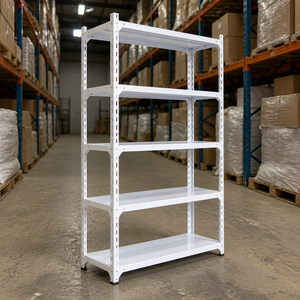
Adjustable boltless storage shelving featuring gusset reinforcements for high picking density without obstructing laminar airflow.
View Specifications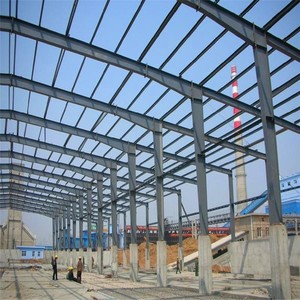
Multi-tier structural steel mezzanine platform engineered to double facility square footage; optimized for ceiling fan airflow penetration.
View Specifications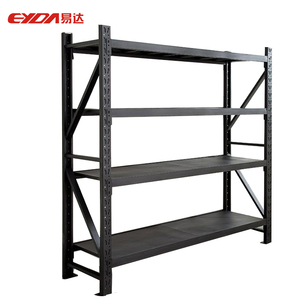
Anti-corrosion powder-coated 4-tier boltless system designed for retail back-room staging and humidity-controlled warehouse zones.
View Specifications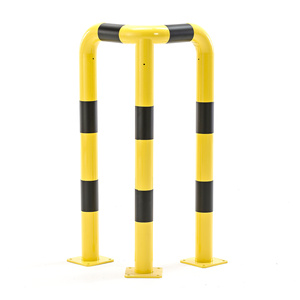
Energy-absorbing steel safety bollards and upright protectors defending structural columns beneath HVLS drop-mount installations.
View Specifications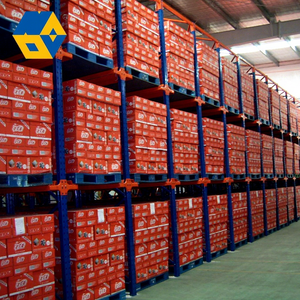
Hot-dip galvanized drive-in high-density rack system engineered to prevent condensation in chilled environments when paired with HVLS de-icing fans.
View Specifications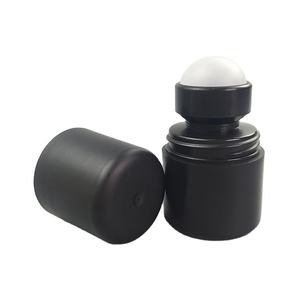
Precision-molded polymer packaging manufactured in dust-controlled cleanroom environments ventilated by filtered ceiling circulation fans.
View Specifications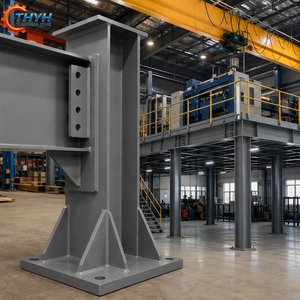
Shot-blasted Q345/Q355 high-tensile steel industrial mezzanine with certified load capacities for heavy automated assembly operations.
View SpecificationsA rigorous engineering analysis of large-scale ceiling ventilation systems: addressing turbulent boundary layers, direct-drive permanent magnet synchronous motors (PMSM), and acoustic dampening across vast footprint facilities.
Modern industrial ceiling fans, commercially classified as High-Volume Low-Speed (HVLS) systems, represent a fundamental departure from legacy high-velocity spot coolers. While small traditional fans rely on turbulent, localized air velocity that quickly dissipates and expends excessive kinetic energy through friction, HVLS architecture leverages vast blade surface areas (diameters from 12 ft up to 24 ft / 3.6 m to 7.3 m) operating at low angular velocities (typically 40 to 80 RPM). By utilizing the principles of fluid dynamics codified in Bernoulli’s Principle and the Coandă Effect, an industrial ceiling fan moves massive air volumes downward toward the factory floor, creating an expansive horizontal "floor jet" that blankets thousands of square meters without creating noisy air turbulence or hazardous drafts.
When this downward air column impacts the floor slab, it turns outward uniformly in a 360-degree radial boundary layer that travels between 1.0 to 1.5 meters above the finished floor level before turning upward toward the ceiling perimeter. This unbroken circular convection loop eliminates air stagnation, regulates ambient temperatures, and breaks down the vertical temperature gradients common in high-bay structures.
Replacing traditional helical gearboxes, direct-drive PMSM power units eliminate mechanical gear backlash, oil-leak contamination risks, and friction losses. They deliver up to 84% full-spectrum electrical-to-mechanical efficiency while operating below 38 dBA.
Extruded from structural aviation-grade aluminum with integrated internal rib reinforcement, these blades incorporate high lift-to-drag NACA profiles and upturned winglets that mitigate blade-tip vortex shedding and minimize dynamic parasitic drag.
Equipped with 304/316 grade stainless-steel secondary retention cables, universal swivel hanging joints, anti-shear locking collars, and three-axis accelerometers that cut power automatically when seismic or uneven impact vibrations occur.
Selecting the optimal fan diameter, motor power rating, and clearance profile requires balancing ceiling clear heights, roof truss structural load capacities, and floor obstruction indices. The matrix below outlines standardized technical metrics tested under AMCA Standard 230 protocols:
| Nominal Diameter | Blade Aerofoil Count | Motor Drive Tech | Displacement (m³/min / CFM) | Effective Floor Coverage | Optimal Mounting Height |
|---|---|---|---|---|---|
| 12 ft (3.6 m) | 5 / 6 Airfoil Blades | 0.75 kW PMSM Direct-Drive | 6,200 m³/m / 218,900 CFM | Approx. 400 m² (4,300 sq.ft) | 4.0 m – 6.5 m Clear Height |
| 16 ft (4.8 m) | 5 / 6 Airfoil Blades | 1.1 kW PMSM Direct-Drive | 9,400 m³/m / 331,900 CFM | Approx. 750 m² (8,070 sq.ft) | 5.0 m – 8.5 m Clear Height |
| 20 ft (6.0 m) | 6 Airfoil Blades | 1.3 kW PMSM Direct-Drive | 12,800 m³/m / 452,000 CFM | Approx. 1,150 m² (12,370 sq.ft) | 6.5 m – 12.0 m Clear Height |
| 24 ft (7.3 m) | 6 Airfoil Blades + Winglets | 1.5 kW PMSM Direct-Drive | 15,200 m³/m / 536,000 CFM | Approx. 1,600 m² (17,200 sq.ft) | 7.5 m – 16.0 m Clear Height |
While industrial ceiling fans are widely deployed for evaporative summer cooling, their financial and environmental value is often maximized during heating cycles in temperate climates. Thermal stratification naturally causes heated air from radiant overhead tubes or central heaters to rise due to buoyancy, trapping valuable warmth at ceiling levels (often 30°C+ at roof peaks while floor zones struggle at 16°C). By operating HVLS fans at low reverse speeds (15% to 25% max RPM), the fans gently push ceiling heat down perimeter walls to floor level without generating cold wind-chill drafts. This direct thermal destratification routinely achieves a 20% to 32% reduction in facility heating fuel consumption, contributing directly to Scope 1 greenhouse gas reduction goals.
Evaluating shifting procurement requirements, building management system (BMS) integration, total cost of ownership (TCO), and sustainable global supply chains.
Modern enterprise procurement mandates fan controllers equipped with native RS-485 Modbus, BACnet/IP, or Zigbee wireless protocols. Fans interface autonomously with building temperature, humidity, and CO2 sensors to modulate blade velocity without manual intervention.
Procurement teams are moving away from cheap geared motors. Direct-drive PMSM fans eliminate gearbox oil leaks, component friction wear, and periodic seal changes, yielding zero maintenance overhead and lowering 10-year Total Cost of Ownership by over 45%.
Demand is surging for IP65/IP66 washdown protection and ATEX/IECEx certified explosion-proof ceiling fans for chemical manufacturing, paint shops, grain storage, and maritime battery assembly where volatile airborne vapors or dust require intrinsic spark-free safety.
As corporate capital expenditure is scrutinized through Environmental, Social, and Governance (ESG) frameworks, HVLS industrial fans deliver vital points toward LEED, BREEAM, and Green Building Index (GBI) certifications. By pairing large-diameter ceiling fans with central HVAC chillers, engineers downsize overall HVAC compressor capacity by 20% to 30%, shrinking upfront plant equipment capital expenditure while slashing baseline operational kilowatt hours.
Combining heavy-duty mechanical engineering, automated laser fabrication, and end-to-end quality control to serve domestic operations and worldwide export destinations.
We combine dedicated high-precision manufacturing facilities with vetted partner networks under a single unified engineering contract, providing end-to-end reliability from raw steel/aluminum billets to finished motors.
Our engineering division evaluates your architectural drawings, roof truss stress limits, and internal racking layouts using computational fluid dynamics (CFD) modeling to confirm fan placement and avoid structural vibration resonance.
Safety is non-negotiable. Our dedicated rigging crews assemble, torque-calibrate, balance, and anchor all assemblies using structural grade 8.8/10.9 hardware and multi-point secondary safety cables under certified safety protocols.
Every hub, motor stator, inverter cabinet, and aerofoil profile undergoes static load testing, dynamic balancing, and insulation resistance audits under rigorous quality and environmental management controls.
From multinational tech manufacturing giants (including Sony EMCS) to demanding regional cold rooms, 3PL logistics facilities, and heavy fabrication plants, our delivered projects showcase proven engineering reliability across international boundaries.
Export components are packed in shock-resistant, moisture-barrier wooden crates configured for sea freight container loading. Complete technical documentation, CE certificates, and customs clearances ensure smooth import processing worldwide.
Expert engineering answers to common procurement, safety, electrical, and facility planning questions.
To meet safety standards (including OSHA, UL 507, and EN 60335-2-80), fan blades must maintain a minimum clear height of 3.0 meters (10 feet) above the finished floor level. For optimal aerodynamic efficiency, maintain at least 1.0 to 1.5 meters clearance between the fan blade tops and the roof deck or nearest overhead obstruction (lighting fixtures, sprinklers, or HVAC ducting).
Per NFPA 13 regulations, HVLS ceiling fans must be centered between four adjacent sprinkler heads, and the clearance between fan blades and sprinkler deflectors must not be less than 0.9 meters (3 feet). Furthermore, the fan's automated control inverter must be hardwired directly into the facility's central Fire Alarm Control Panel (FACP) to trigger an immediate fail-safe shutdown upon water-flow or smoke detection.
A 24-foot direct-drive PMSM fan requires a 3-phase 380V–480V or single-phase 220V power connection, drawing approximately 1.0 to 1.5 kW at maximum velocity. At average commercial electricity rates ($0.12/kWh), continuous operation costs roughly $0.14 to $0.18 per hour, moving more than 15,000 cubic meters of air per minute for a fraction of central HVAC running costs.
We analyze your facility's clear height, layout dimensions, pallet racking elevations, internal machinery obstacles, and worker congregation stations. As an engineering benchmark, one 24-foot (7.3 m) fan covers roughly 1,500 m² of unobstructed area. For narrow racking aisles, staggered rows of 16-foot or 12-foot fans provide laminar air penetration directly down picking corridors.
Modern HVLS fans are lightweight (typically 95 kg to 145 kg total assembly weight), but they produce operational dynamic torque during startup and deceleration. Our universal mounting hardware distributes these dynamic forces across existing steel I-beams, bar joists, or concrete beams without requiring invasive structural modifications. An engineer-stamped structural loading calculation is supplied for building management validation.
All export systems are packed in ISPM-15 compliant heat-treated timber crates with custom CNC-milled EVA foam cradles protecting the motor hubs, variable frequency drives, and precision-balanced aerofoils. Every unit is certified to CE, UL, and ISO standards and carries factory test reports and calibration certificates for smooth customs clearance.
Submit your warehouse layout, clear heights, and facility objectives. Our engineering team will deliver a customized 3D airflow simulation, structural load review, and competitive factory-direct export proposal.