Explore heavy-duty, factory-engineered racking systems precision-built to standard pallet dimensions (1200x1000mm, 1200x800mm) and high-load industrial payloads.
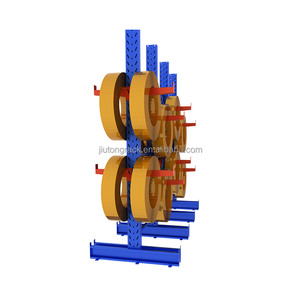
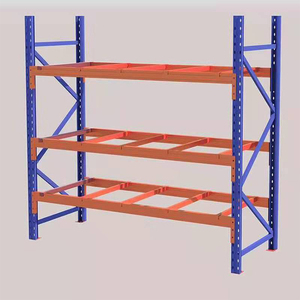
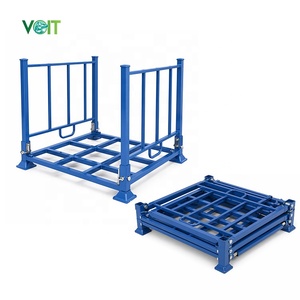
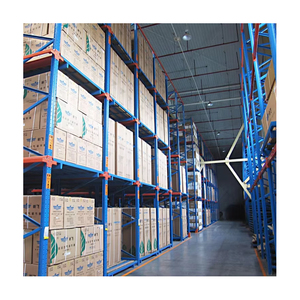
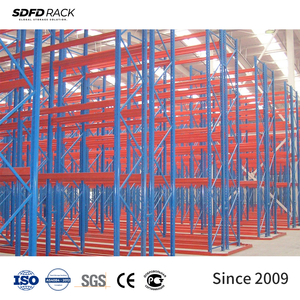
A Double Deep Pallet Racking system stores pallets two deep in a double-reach configuration, cutting operational access aisles by nearly 50% compared to conventional selective pallet racking. Engineered specifically for high-velocity distribution centers managing multiple pallets of identical Stock Keeping Units (SKUs), double deep solutions strike the optimum structural equilibrium between storage density, operational speed, and cost per pallet position.
| Storage Strategy Matrix | Selective Pallet Rack | Double Deep Pallet Rack | Drive-In Pallet Rack | Radio Shuttle Racking |
|---|---|---|---|---|
| Volumetric Efficiency | 40% – 45% Floor Usage | 60% – 65% Floor Usage | 70% – 75% Floor Usage | 80% – 85% Floor Usage |
| Pallet Accessibility | 100% Immediate Selectivity | 50% Immediate (FILO/LIFO per lane) | Low (Last-In, First-Out) | Batch FIFO / LIFO Modes |
| MHE Equipment Needed | Standard Counterbalance / Reach | Pantograph / Telescopic Deep Reach | Counterbalance Driving In-lane | Standard Reach + Radio Shuttle |
| Relative Cost Per Pallet | Baseline Economy | Low to Moderate (+15% vs Selective) | Moderate | Higher Capital Investment |
| Typical Indian Application | Mixed SKU Retail & Parts | FMCG, Pharma, Cold Store Hubs | Homogeneous Raw Materials | High-throughput Automated DC |
Structural Dynamics: In double deep operations, cantilever forces and horizontal beam deflections are governed by stringent load criteria (EN 15512 and Indian Standard IS 800:2007). Rear upright frames are systematically braced with cross-aisle and plan bracing to counteract eccentric loadings caused by deep-reach pantograph mast extensions.
India’s diverse manufacturing landscapes require precision warehouse engineering. Discover how double deep systems solve acute operational bottlenecks across critical regional corridors.
Automobile manufacturers require intermediate component staging for identical stamping batches and engine sub-assemblies. Double deep systems allow Tier-1 suppliers to store twin pallet depths per SKU without dedicating extra gangways, directly feeding Just-In-Time (JIT) production lines.
Refrigerated cubic capacity carries substantial kilowatt refrigeration charges in extreme North Indian summers. Double deep racking maximizes storage volume within refrigerated enclosures, decreasing total thermal dissipation area per stored metric ton of dairy, meat, and frozen products.
Active Pharmaceutical Ingredient (API) storage and finished formulations necessitate validated batch tracking. Double deep layouts align seamlessly with batch testing protocols, where two pallets from the exact same QA batch are retrieved consecutively during distribution runs.
With sky-high industrial land leasing rates across suburban warehousing nodes, 3PL aggregators leverage double deep systems to double pallet counts for high-turnover FMCG clients without acquiring adjoining real estate acreage.
High-density storage of resin drums, intermediate bulk containers (IBCs), and bagged fertilizer pallets benefit from customized load beams, chemical-resistant powder finishes, and bolt-on guide rails that secure specialized pantograph forklifts.
The transformation of Indian supply chains from unorganized godowns into Grade-A automated distribution complexes is driving technical procurement specifications.
Legacy 6-meter structures are being swiftly phased out by institutional warehouse developers like IndoSpace, ESR, and Welspun One. Modern 12-to-14 meter clear internal heights necessitate structural double deep columns designed to resist higher Euler buckling modes under severe load conditions.
Material handling fleets across India have expanded their reach capability. Major equipment manufacturers (Godrej, Jungheinrich, Linde, Toyota Material Handling India) now supply pantograph scissor-reach and telescopic-fork reach trucks locally with nationwide service contracts.
Industrial development in Northern and Western India (such as Gujarat, NCR, and Uttarakhand) traverses Seismic Zones IV and V. Indian logistics buyers now actively reject non-engineered racks, demanding certified dynamic modal analyses and thick anchor baseplates.
With vertically integrated manufacturing plants, precision continuous roll-forming lines, and automated robotic welding cells, we deliver turnkey industrial racking solutions built to withstand heavy operational duty cycles.
Certified production protocols ensure raw structural steel traceability, structural integrity testing, and environmental standards compliance.
Precision multi-stage roll-forming ensures upright posts feature uniform grain structure, accurate pitch holes, and exact dimensional tolerances.
Multi-stage pre-treatment and thermal curing powder coating create abrasion-resistant finishes that resist corrosion in tropical humidity.
Our project engineers formulate customized layout CAD designs, factoring in slab load-bearing capacities, MHE turning radii, and fire sprinkler clearance.
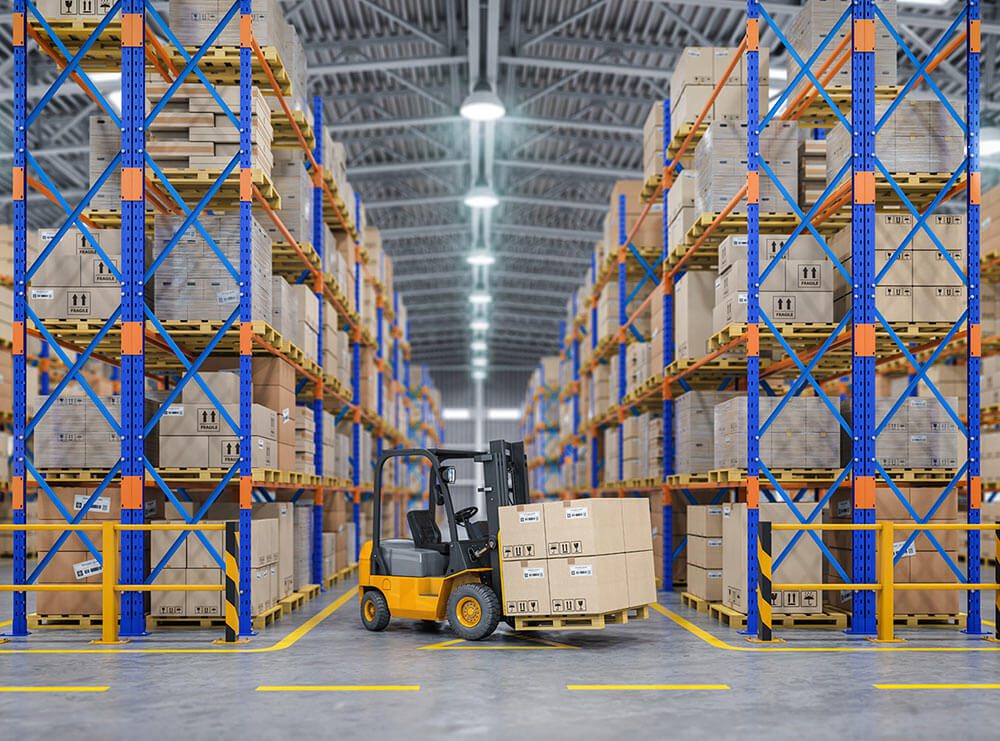
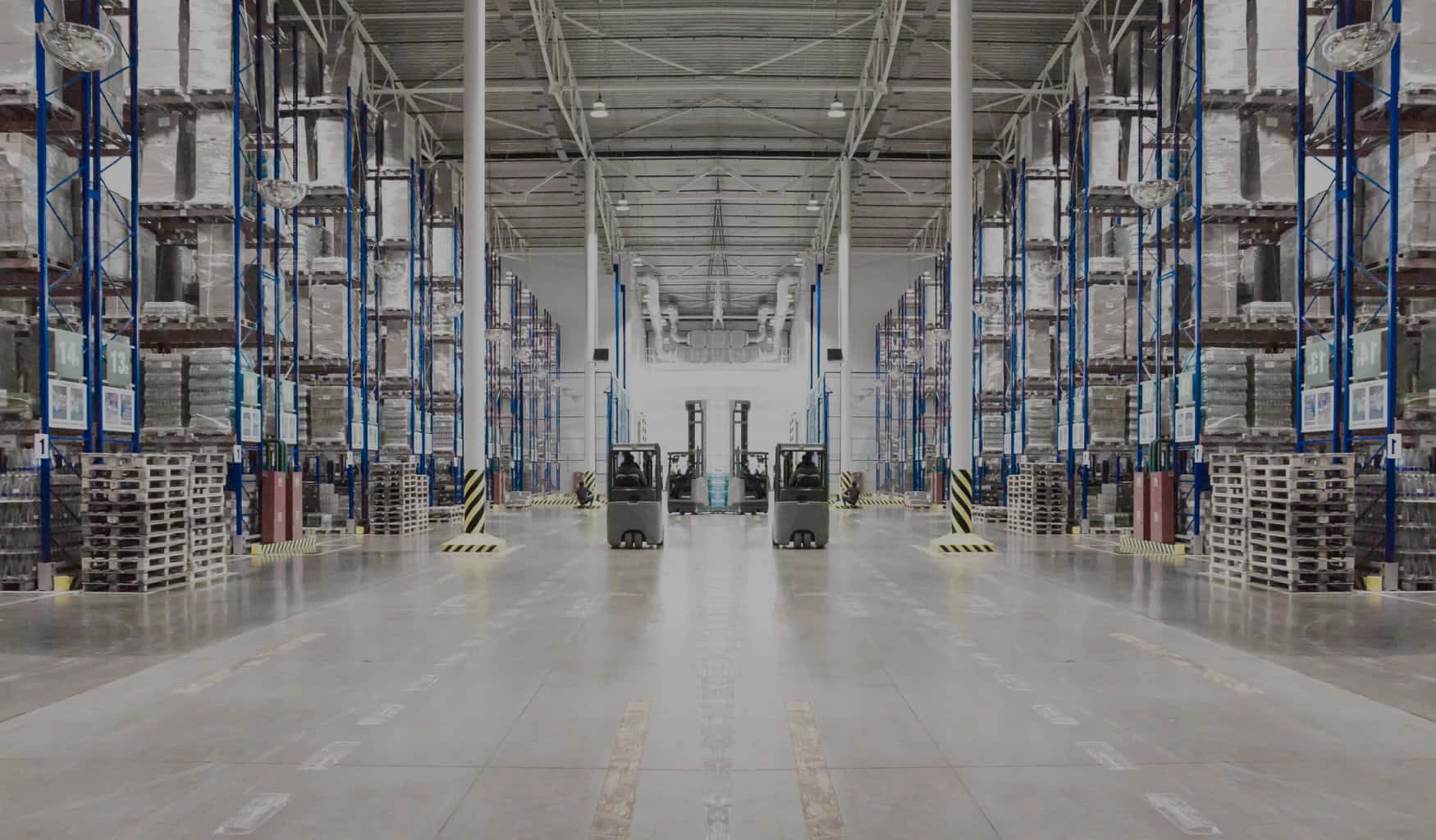
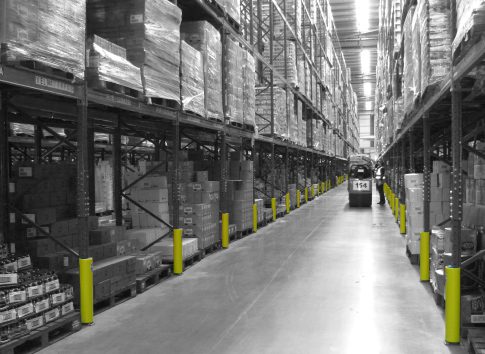
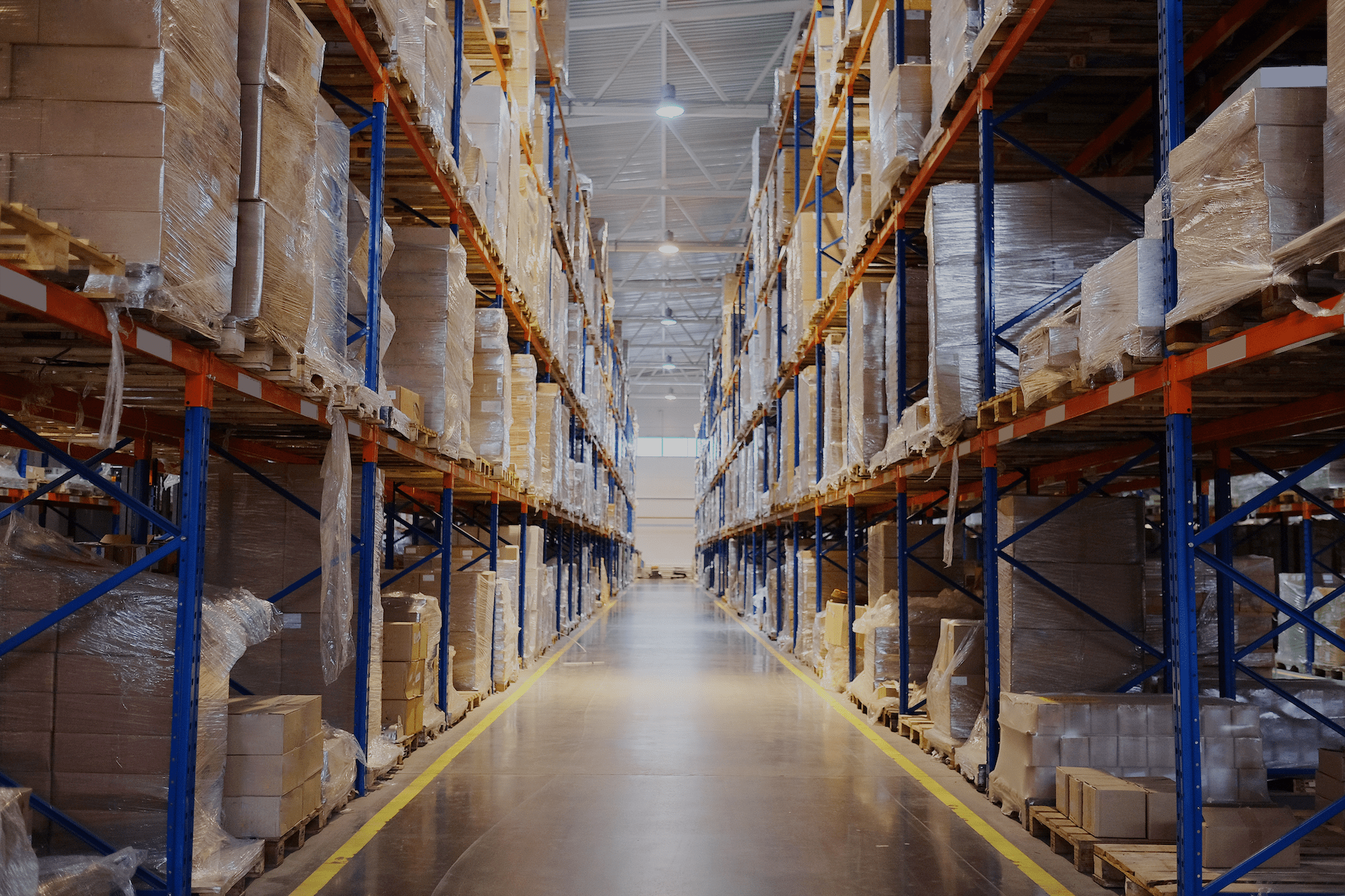
Addressing engineering specifications, installation standards, material grades, and logistical execution for Indian industrial facilities.
Submit your architectural AutoCAD floor plan, clear ceiling height, pallet specifications, and forklift parameters. Our engineering department will generate a customized 3D layout simulation and competitive direct factory quotation within 24 hours.
Get a Quote