Custom-engineered racking frameworks, automated storage handling, safety guarding, and heavy-duty structural platforms tailored for Philippine industrial facilities.
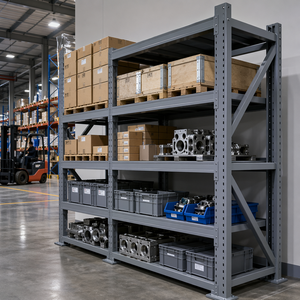
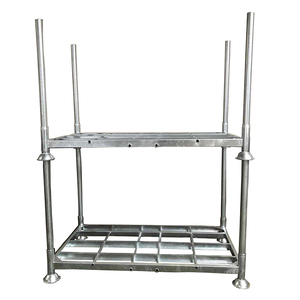
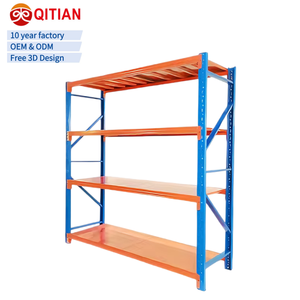
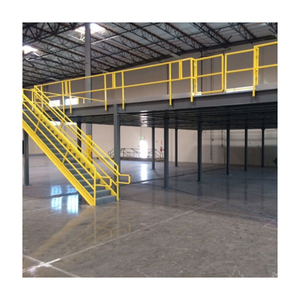
As the Republic of the Philippines consolidates its position as a major logistics hub in Southeast Asia—driven by the rapid expansion of e-commerce, electronics manufacturing in PEZA (Philippine Economic Zone Authority) industrial parks, and cold-chain infrastructure—the demand for high-density automated warehousing has reached an unprecedented peak. Traditional low-bay pallet rack storage is no longer economically viable in tier-one logistics clusters like Calabarzon (Laguna, Batangas, Cavite), Metro Manila, and Metro Cebu due to rising real estate lease costs and tight urban land limits.
Automated Storage and Retrieval Systems (ASRS) engineered through customized OEM (Original Equipment Manufacturer) and ODM (Original Design Manufacturer) partnerships represent the definitive technological solution. By converting horizontal floor footprint into vertical storage capacity reaching up to 40 meters in height, high-bay ASRS installations optimize clear ceiling height while completely eliminating human error, pallet handling damage, and labor inefficiencies.
Fully automated single or double-deep stacker cranes designed to store heavy raw material pallets (up to 3,000 kg/level) or high-speed tote totes with sub-second positioning accuracy.
Intelligent self-navigating shuttle cars operating on specialized rack channels, enabling maximum volume utilization (LIFO/FIFO) for cold storage and high-throughput FMCG operations.
Custom structural engineering complying with National Structural Code of the Philippines (NSCP 2015) and FEM 10.2.02 standards to ensure stability during major earthquake events.
Operating industrial storage equipment in the Philippines presents unique geographical, environmental, and structural challenges. Our OEM/ODM factory capabilities are directly aligned with local operating realities:
Technical evaluation matrix comparing high-bay automated storage with legacy racking setups.
| Storage Matrix | Conventional Selective Racking | Drive-In Racking | OEM/ODM Radio Shuttle | High-Bay Unit-Load ASRS |
|---|---|---|---|---|
| Vertical Height Utilization | Up to 10 Meters | Up to 12 Meters | Up to 16 Meters | Up to 40+ Meters |
| Floor Footprint Efficiency | 40% (60% Aisles) | 65% Storage Area | 85% High Density | 90%+ Maximum Density |
| Labor Requirement | High (Multiple Forklift Drivers) | Moderate (In-lane driving) | Low (1 Driver + Shuttle) | Fully Autonomous (0 In-aisle Drivers) |
| Seismic & Load Safety | Basic Anchor Bolting | Risk of Rack Collision | High Structural Rigidity | Integrated NSCP Structural Frame |
| Throughput Speed (Pallets/Hr) | 20 - 30 Pallets | 15 - 20 Pallets | 40 - 60 Pallets | 100+ Pallets / Crane |
The Philippines warehouse market is undergoing a rapid modernization shift. Procurement directors and supply chain engineers are prioritizing three core technological upgrades:
1. Decentralized Regional Distribution Centers (RDCs): To overcome island-to-island maritime freight bottlenecks, major retail conglomerates are deploying mid-scale automated shuttle racking hubs in regional trade clusters like Iloilo, Cagayan de Oro, and Davao, requiring modular rack designs that can expand dynamically.
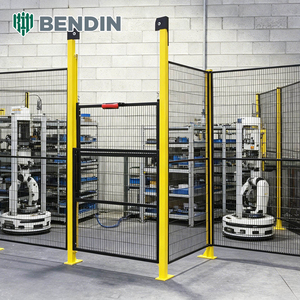
2. Integration of Industrial Robotics & Machine Guarding: Autonomous Mobile Robots (AMRs) and AGVs are increasingly deployed alongside rack structures. Custom OEM robot safety fence barriers and automated conveyor interlocks are now mandatory components for compliance with local Department of Labor and Employment (DOLE) safety regulations.
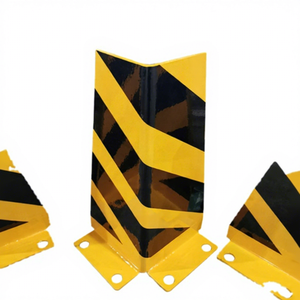
3. Smart Maintenance & Upright Protection: Heavy collision impact from material handling equipment is the leading cause of structural rack collapse. Philippine operators are retrofitting installations with heavy-duty anti-collision upright guards and structural column protectors to extend system lifespan and comply with ISO 9001 quality standards.
Direct factory engineering, strict international quality management, and complete end-to-end execution for Philippine project contracts.
Operates state-of-the-art cold-roll forming lines, automated robotic welding cells, and eco-friendly powder coating systems under strict ISO 9001 and ISO 14001 management standards.
Our structural engineering team reviews building floor plans, floor slab loading capabilities, clearance heights, and forklift specifications to produce optimized CAD layout designs and 3D BIM models.
Extensive experience supplying large-scale projects across Southeast Asia, including streamlined delivery, duty-free clearance support for PEZA enterprises, and complete container load optimization.
Dedicated installation teams execute precise assembly, laser leveling, structural anchor bolting, and safe site handovers equipped with official load capacity certification plaques.
Comprehensive periodic rack inspection programs, damage audit report generation, and immediate replacement component dispatch to keep installations safe and compliant.
All structural uprights, beam components, mezzanine decking, and automated shuttle frames are backed by transparent, written warranty coverage included in every project proposal.
Clear guidance on custom fabrication, PEZA importation, installation timeframes, and structural compliance.
Yes. All structural systems offered for installation in the Philippines undergo rigorous finite element analysis (FEA) calibrated to NSCP Zone 4 seismic parameters, ensuring beam-to-column connections and floor anchorings absorb seismic forces safely.
Yes. We provide full documentation, commercial invoices, and packing lists formatted for smooth PEZA tax-exempt clearance and local customs processing in Manila (MICP/POM) and Batangas ports.
Our engineering team works directly with your facility managers to review architectural floor plans, ceiling clearance under sprinklers, floor slab thickness (psi rating), and column grids before finalizing manufacturing drawings.
Standard custom OEM/ODM racking orders are fabricated within 15–25 days depending on project tonnage. Sea freight to Manila or Cebu ports typically requires 7–12 transit days, ensuring fast project delivery.
Yes. Experienced installation riggers assemble, anchor, laser-level, and test every rack structure or shuttle system, handing over a certified site ready for immediate warehouse operations.
In many cases, heavy-duty selective rack uprights can be retrofitted with radio shuttle guide rails or upgraded with anti-collision column guards, provided the upright profile meets load and straightness tolerances.
Request a comprehensive technical consultation, floor plan layout review, or detailed factory quote from our industrial storage engineering team today.