Heavy-duty, precision-toleranced gravity roller equipment and structural systems tailored to lower operational downtime across automated sorting centers and automotive sub-assembly plants.
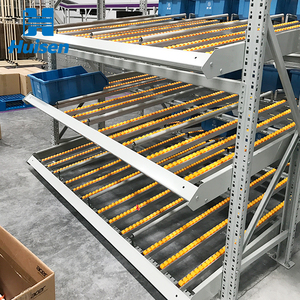
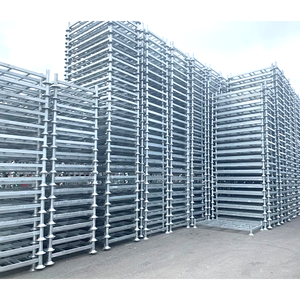
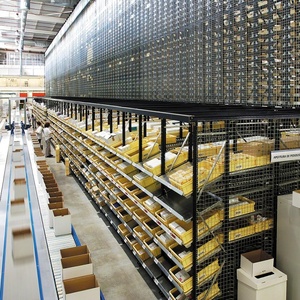
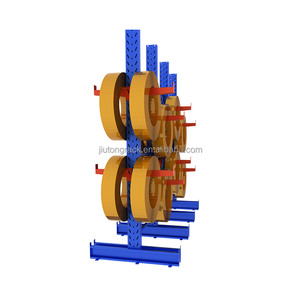
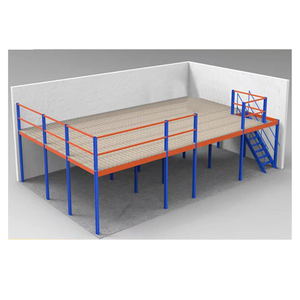
In modern industrial facilities across Southeast Asia, optimizing unit-load transfer without compounding electrical infrastructure costs is a critical procurement target. A Gravity Roller Conveyor functions as the backbone of non-powered horizontal and gentle-incline transport. By harnessing gravitational potential energy and calculated gradient angles (typically 1.5° to 4.5°), these systems move unpowered unit loads, including corrugated boxes, tote bins, plastic crates, and steel post-pallets, seamlessly from production lines directly into shipping bays.
Our OEM and ODM gravity handling portfolio includes precision-machined rollers constructed from electro-galvanized mild steel (Q235), SUS304/SUS316 stainless steel, and high-impact virgin PVC/HDPE. Each individual roller utilizes precision deep-groove ball bearings (ABEC-1 to ABEC-5 standards), shielded with labyrinth nylon caps to seal against particulates, moisture, and fine silica dust. Whether designing a compact 50mm diameter roller line for rapid e-commerce packet singulation or deploying robust 76mm to 89mm heavy-gauge rollers capable of buffering fully laden pallets weighing up to 2,000 kg, our fabrication processes strictly enforce concentricity tolerances under 0.3mm. This meticulous tolerance control drastically reduces rolling resistance and prevents trajectory drifting along expansive multi-tier installations.
| Conveyor / Flow Architecture | Standard Roller Spec | Frame Metallurgy & Finish | Payload Rating per M² / Unit | Ideal Intralogistics Workflow |
|---|---|---|---|---|
| Light/Medium Carton Gravity Flow | ∅38mm / ∅50mm Galvanized Steel | Formed C-Channel Steel, Powder Coated | 30 kg – 120 kg per linear meter | E-commerce fulfillment, pick-to-light kitting, FMCG packaging |
| Heavy-Duty Pallet Gravity Live Storage | ∅60mm / ∅76mm Heavy Steel + Brake Rollers | Structural Punch-Formed Beam, Hot-Dip Galvanized | 500 kg – 2,000 kg per pallet lane | FIFO raw material buffer, cold chain dispatch, beverage bottling |
| Sanitary Washdown Food/Pharma Lines | ∅50mm SUS304 Stainless / Polymer Sleeves | Open Profile SUS304, Bead-Blasted | 50 kg – 180 kg per section | Seafood processing, sterile cleanrooms, agro-food sorting |
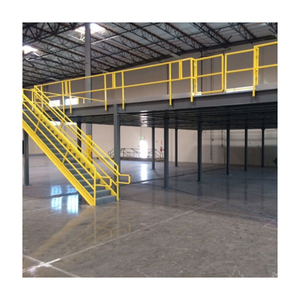
| Mezzanine Integration Deck Conveyors | ∅50mm Double-Sprocket / Gravity Dual Roller | Reinforced Steel Profile with Kickplates | 250 kg – 500 kg per station | Multi-level warehouse mezzanine transfers, sorting decks |
Thailand's industrial footprint is experiencing a massive transformation driven by the Eastern Economic Corridor (EEC) initiatives across Chonburi, Rayong, and Chachoengsao, alongside established logistics nodes in Samut Prakan, Pathum Thani, and Ayutthaya. Material handling systems deployed here face challenging operating conditions: ambient temperatures frequently exceed 38°C with relative humidity levels exceeding 85% during monsoon periods. Conventional non-treated rollers and thin gauge coatings quickly deteriorate under these conditions. Our customized Thailand-ready roller conveyors overcome these climatic hurdles via specialized anti-corrosion treatments, micro-porous zinc thermal diffusion, and permanently lubricated, moisture-impermeable synthetic grease cartridges.
Direct supply to tiered suppliers in Chonburi and Rayong. Heavy-duty gravity feed tracks buffer automotive stampings, engines, and harness crates directly to assembly stations without consuming factory electricity.
High-volume parcel processing centers in Bang Na and Samut Prakan utilize multi-tier skate-wheel and gravity roller decline chutes for zero-energy sorting between intermediate mezzanine tiers and outgoing courier bays.
From frozen marine processors in Samut Sakhon to fruit canning factories in the Central Plains, our washdown SUS304 roller lanes endure continuous brine exposure and hot water steam sanitization.
As Thailand accelerates its national agenda toward Industry 4.0 and green manufacturing mandates, logistics operators are reassessing facility energy footprints. The rising cost of electricity per kilowatt-hour across Thai industrial estates has forced plant engineers to minimize continuous-running electric motor drives. Here, non-powered gravity conveyors represent an immediate, high-impact ROI lever. By hybridizing automated transport loops with passive gravity buffering sections, facilities cut mechanical drive counts by up to 40%.
Furthermore, the astronomical growth of cross-border trade between Thailand, Laos, and China via the Kunming-Vientiane-Bangkok rail link has spiked containerized throughput at Laem Chabang Port. Warehouses are shifting from flat floor storage to vertical multi-tiered mezzanines and gravity live-flow pallet racking systems. This structural consolidation demands racking-matched conveyor engineering where roller pitch, frame deflection limits (strictly ≤ L/250 under full load), and integrated speed controllers (centrifugal brake rollers) prevent heavy pallets from accelerating out of control down dynamic storage lanes.
We advise establishing a dual-pitch calculation based on your lowest package weight (which determines minimum pitch to initiate roll) and peak package mass. Typically, a gradient between 1.5° and 3.0° handles diverse corrugate loads, while dynamic centrifugal speed retarders are installed along lanes exceeding 8 meters to guarantee uniform terminal speeds.
For standard dry indoor storage in Bangkok, minimum 12–15 micron electro-galvanizing or electrostatic polyester powder coating is standard. For coastal industrial corridors like Map Ta Phut or Rayong, we mandate heavy hot-dip galvanizing (HDG) to ASTM A123 standards or SUS304 stainless steel with passivated welds to eliminate galvanic oxidization.
Yes. Our OEM/ODM capacity provides customized drop-in brackets, universal side-channel adapters, and modular cross-tie supports that seamlessly retrofit into major upright profiles (including 76.2mm, 50mm, and teardrop slot configurations) without structural welding on site.
All international consignments destined for Bangkok Port (PAT) or Laem Chabang include comprehensive Bill of Lading, Certificate of Origin (Form E for duty privileges under ACFTA), mill test certificates for steel structural framing, detailed loading assembly diagrams, and factory inspection test reports (FAT).
Partnering directly with an established high-capacity manufacturer guarantees optimized factory-direct pricing, certified raw metallurgy, and end-to-end layout consultation backed by decades of proven project completions across Southeast Asia.
Connect with our senior intralogistics design team to review your facility DWG drawings, load criteria, and project specifications.
Inquire Now