Explore our certified industrial storage hardware, manufactured from high-yield Q235B steel with precision roll-forming and powder-coated surface protection.
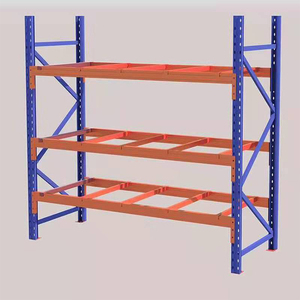
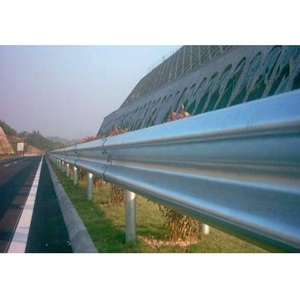
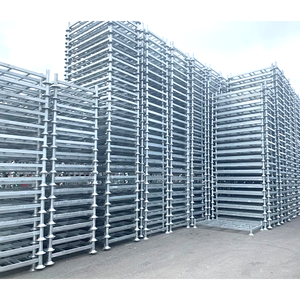
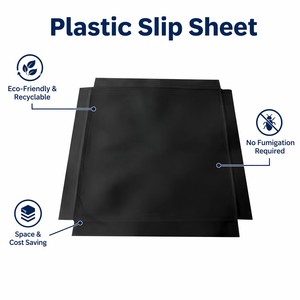
As an established China wholesale steel pallet rack manufacturer & exporter, our production paradigm is grounded in advanced mechanical engineering, raw material verification, and strict adherence to international structural steel guidelines (including FEM 10.2.02, ANSI MH16.1, and ISO 9001/14001 certification frameworks). Modern industrial logistics infrastructure requires storage hardware that balances high volumetric efficiency with strict dynamic safety thresholds.
Our manufacturing complex houses high-precision continuous cold-roll forming lines, automatic robotic welding work-cells, and semi-automated electrostatic powder coating chambers. By selecting cold-rolled structural steel (Q235B and high-strength Q355B grades), we ensure that all structural uprights, box beams, and cross-bracings possess optimal yield strength and section modulus. This meticulous metallurgical control prevents long-term creep strain and structural deflection under maximum uniform distributed load (UDL) ratings.
Multi-stage roll-forming mills shape up to 12.0m seamless upright profiles, eliminating localized stress points and ensuring consistent mechanical properties across entire height spans.
Dual-pulse robotic arms perform 360-degree continuous welds on beam connectors and baseplates, delivering exceptional fatigue resistance under heavy forklift impact dynamics.
Automatic 9-stage pre-treatment (degreasing, phosphating, pure water rinsing) combined with epoxy-polyester thermo-setting powder coating guarantees corrosion resistance exceeding 500 hours in salt spray testing.
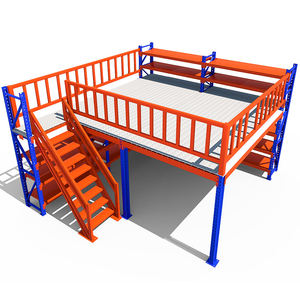
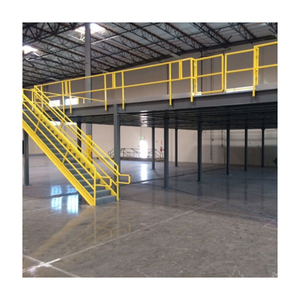
From custom rack-supported mezzanine platforms to heavy-duty selective pallet systems and automated radio shuttle channels, our engineering department performs thorough Finite Element Analysis (FEA) simulations. This structural modeling models key operational parameters, including seismic acceleration forces, floor slab load distribution, and column guard collision dynamics, ensuring full operational compliance for global B2B procurement partners.
Selecting the appropriate industrial rack geometry requires balancing volumetric floor-space utilization, stock accessibility (FIFO vs. LIFO), handling equipment footprint, and load dynamic factors. The comparative table below outlines the primary structural racking systems designed, engineered, and exported by our manufacturing facilities.
| Racking System Type | Nominal Load Capacity (UDL) | Access Strategy | Volumetric Density | Primary Industrial Use Case |
|---|---|---|---|---|
| Selective Pallet Rack | 1,000kg – 4,500kg / Level | 100% Direct Selectivity (FIFO) | Baseline (40% - 50%) | FMCG, 3PL Distribution, High-SKU Warehouses |
| Radio Shuttle System | 1,500kg / Pallet Channel | Automated FIFO / LIFO | Ultra-High (80% - 90%) | Cold Storage, Food & Beverage Bulk Staging |
| Drive-In / Drive-Thru | 1,000kg – 2,000kg / Pallet | LIFO (Drive-In) / FIFO (Drive-Thru) | High (65% - 75%) | Homogenous Goods, Seasonal Batch Storage |
| Mezzanine Platform Floor | 300kg – 1,200kg / m² | Multi-Level Access | Doubles Floor Area | E-commerce Order Picking, Light Manufacturing |
| Post Pallet & Stackable Racks | 1,000kg – 2,000kg / Unit | Flexible Block Stacking | Modular Dynamic Space | Seasonal Overflow, Automotive Parts Transport |
* Note: All structural load capabilities are verified via static loading tests and custom engineered based on slab thickness, anchor embedment depth, and local building code seismic zone classifications.
The global enterprise warehouse procurement landscape is undergoing a structural transition driven by supply chain volatility, labor cost escalation, and environmental mandates. Enterprise buyers sourcing steel storage equipment from China must navigate several key macro trends:
Traditional static pallet racks are increasingly giving way to semi-automated shuttle systems and fully automated storage and retrieval systems (AS/RS). Procurement strategies prioritize structural profiles engineered to millimetric tolerances to ensure smooth integration with autonomous mobile robots (AMRs) and automated crane guided vehicles.
Supply chain sustainability audits now evaluate embodied carbon within physical storage assets. Enterprise importers demand low-VOC powder coating formulations and steel suppliers utilizing electric arc furnace (EAF) production routes to lower Scope 3 greenhouse gas emissions.
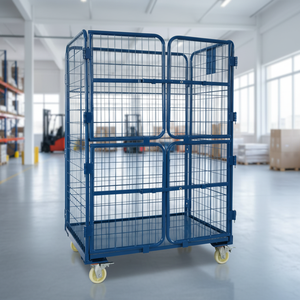
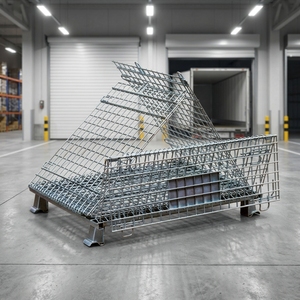
Rising international ocean freight tariffs make shipping volume efficiency critical. Procurement directors prefer knock-down (KD) rack designs, collapsible Z-frame containers, and nested post pallets that maximize container payload density during export transit.
By partnering with a vertically integrated manufacturer, global importers secure structural compliance while optimizing landed costs per storage footprint position.
Modern steel warehouse rack design continues to evolve beyond simple mechanical load-bearing frames. Key R&D directions shaping the next generation of pallet racking include:
Connect with our technical engineering team today for a customized site layout evaluation, structural load analysis, and competitive factory-direct wholesale pricing.
Get a Quote