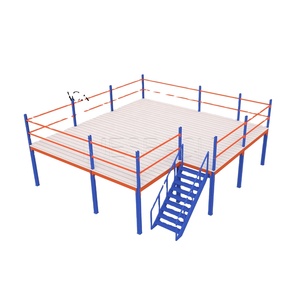
Space Optimization
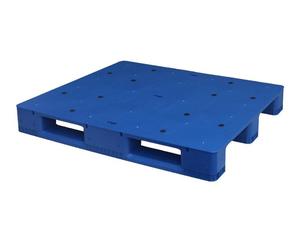
Engineered for seamless integration with Brazilian standard PBR pallets (1000mm × 1200mm) and high-throughput agro-export facilities.
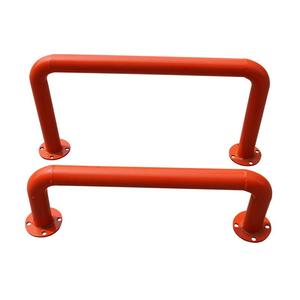
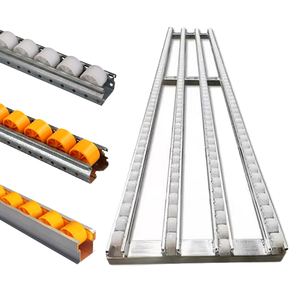
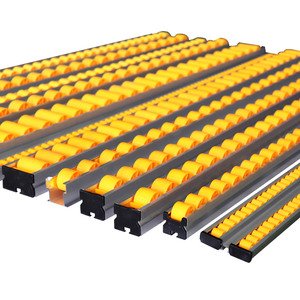
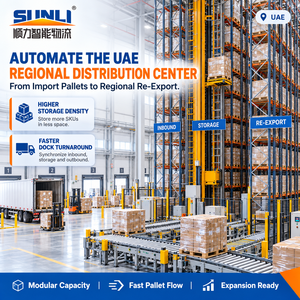
Drive-in and drive-thru pallet racking represent the engineering zenith for high-cube, low-SKU volumetric density, offering continuous lane configurations that remove working aisles.
Manufactured using certified Q355B micro-alloyed structural steel. Profiles undergo continuous computer-controlled roll-forming with multi-bend reinforcement ribs, ensuring structural ductility under both static operational loads and localized mast collisions in deep aisles.
Heavy-gauge cantilever brackets feature a specialized stamped taper that centers Brazilian standard PBR pallets automatically upon insertion. This design minimizes edge hang-over risks and absorbs cyclic dynamic fatigue during repetitive reach-truck positioning.
Specifically engineered for refrigerated logistics operations in Santa Catarina and Paraná. The specialized thermo-hardened epoxy-polyester powder coating prevents embrittlement, blistering, and micro-cracking across extreme freeze-thaw cycles.
Because drive-in racking eliminates cross-aisle horizontal tie beams at entry points, longitudinal and lateral stability is reinforced through overhead roof truss cross-bracing and rigid back spine towers, satisfying stringent seismic and wind vortex requirements.
Continuous hot-rolled angle guide tracks are anchored directly to the reinforced concrete floor slab. These rails guide counterbalance and reach trucks into deep bays, preventing frame impact damage while accelerating load cycles by up to 35%.
Every structural calculation model is verified using finite element analysis (FEA). Load ratings strictly meet European standard EN 15512:2020 and align directly with Brazilian engineering standards for industrial steel racking structures.
Comprehensive baseline specifications engineered for Brazilian logistics operators and cold-storage facilities.
| Component Specification | Technical Parameter | Material Standard | Application Significance |
|---|---|---|---|
| Upright Column Section | 80×60, 90×70, 100×70, 120×95 mm (Thickness 1.8 - 2.5mm) | Q235B / Q355B Cold Rolled Steel | High torsional rigidity along vertical axis during multi-level load transfers. |
| Pallet Rail Load Capacity | 500 kg to 2,000 kg per pallet position | Heavy-Duty Galvanized / Epoxy Coated | Tapered entry lips minimize friction during forklift pallet staging. |
| Pallet Compatibility | PBR-1 (1000×1200mm), Euro (800×1200mm), Custom | ISO & Brazilian ABNT Standards | Versatile rail clearance accommodates multi-national supply chain footprints. |
| Operating Temperature | -35°C to +45°C ambient temperature | Impact-resistant structural steel | Resists low-temperature steel embrittlement in blast freezers and cold distribution hubs. |
| Safety Factor | 1.5 to 1.67 structural design ratio | CE & FEM 10.2.02 Standards | Guarantees fail-safe operational overhead in high-intensity Brazilian distribution hubs. |
Understanding regional logistics nuances from the industrial corridor of São Paulo to the agricultural exports of the Midwest.
In states like Santa Catarina, Paraná, and Rio Grande do Sul, beef and poultry processors handle massive single-SKU frozen export volumes. Our drive-in systems operate inside industrial cold rooms (-25°C) to maximize cubic storage volume and drastically lower per-pallet refrigeration energy costs.
Logistics hubs along the Rodovia dos Bandeirantes and Presidente Dutra face elevated real estate values. Installing Drive-In Racking eliminates unnecessary aisles, allowing third-party logistics (3PL) providers to store up to 80% more pallets within the same warehouse footprint.
High-volume soft drink, beer, and dairy production plants across Minas Gerais and Rio de Janeiro generate large batches of uniform goods. Drive-in systems manage seasonal peak volumes effectively using Last-In, First-Out (LIFO) or Drive-Thru First-In, First-Out (FIFO) staging lanes.
Structural evolution in Brazilian logistics infrastructure driven by real estate efficiency, agricultural growth, and international trade integration.
With rental prices rising across Class-A logistics parks (Condomínios Logísticos) in Southeast Brazil, operators are turning to high-density storage configurations like Drive-In and Mezzanine systems to maximize vertical cubic volume rather than acquiring costly land.
Brazil continues to break records as a leading global exporter of animal protein, fruits, and frozen juices. This sustained surge requires refrigerated logistics centers with high thermal efficiency, where Drive-In Racking delivers superior thermal density compared to conventional selective racks.
Expansions surrounding the Port of Santos, Port of Paranaguá, and Port of Itajaí require heavy-duty buffer storage systems that can handle rapid import-export cycles and high seasonal volume shifts with minimal maintenance overhead.
Detailed technical, compliance, and international logistics answers addressing key aspects of purchasing industrial racking systems in Brazil.
Combining direct in-house roll-forming production with end-to-end export capabilities to deliver turnkey warehouse racking projects worldwide.
We operate modern roll-forming and automated powder-coating production lines adhering to ISO 9001 and ISO 14001 quality management standards, delivering consistent structural performance.
Our engineering team reviews floor slab load capacity, clear ceiling heights, and forklift turn radiuses to develop space-optimized layout proposals before fabrication starts.
From multinational operations like Sony EMCS to cross-border logistics hubs across Southeast Asia and Latin America, our systems deliver dependable everyday warehouse performance.
We provide professional container stowage, bundle strap protection, and export packaging that prevent moisture damage and scratches during transoceanic shipping to Brazilian ports.
Contact our structural engineering team for complimentary warehouse CAD layouts, load capacity calculations, and factory-direct export proposals tailored to your facility.