Engineered directly for space-constrained industrial ecosystems. Full structural integrity compliant with ISO standards, tailored to support Tokyo warehouses, distribution hubs, and automated handling nodes.
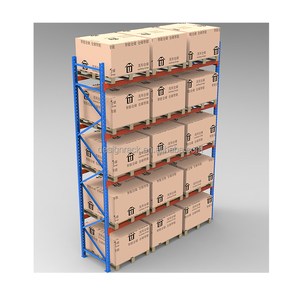
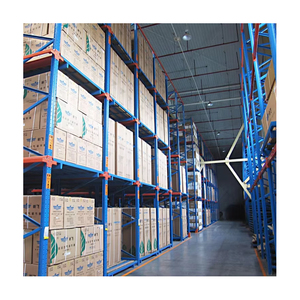
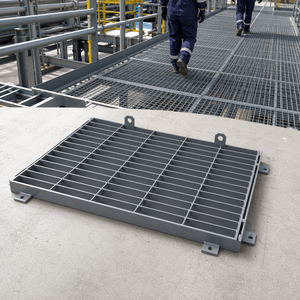
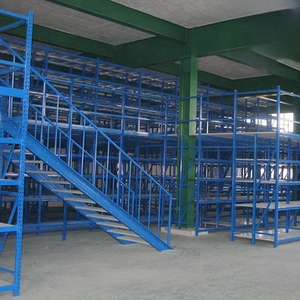
In high-density industrial jurisdictions such as Tokyo, Koto-ku, Ota-ku, and the surrounding Kanagawa-Chiba logistics belt, commercial storage infrastructure faces distinct engineering challenges. Industrial real estate values in Greater Tokyo mandate maximal cubic volume utilization, requiring racks that combine high structural stability with extreme modular agility.
Our industrial rivet shelving (boltless angle-rack family) eliminates standard nut-and-bolt hardware failures entirely. Fabricated utilizing precision cold-rolled JIS G3101 SS400 and high-tensile Q235B carbon steel, each upright column is engineered with precision teardrop or keyhole puncture slots. Heavy-gauge industrial shelf beams are stamped with dual-rivet structural lugs that secure directly into the upright taper under mechanical gravity loading.
| Shelving Architecture | Standard Load Rating (UDL) | Assembly Mechanism | Tokyo Facility Compatibility |
|---|---|---|---|
| Single-Rivet Light Series | 150 kg – 300 kg / level | Direct Drop-In Interlock | Last-mile micro-fulfillment, retail stockrooms, cleanrooms |
| Double-Rivet Heavy Series | 400 kg – 850 kg / level | Tapered Dual-Stud Keyhole | Automotive components, industrial parts, e-commerce buffer |
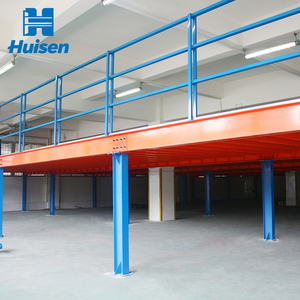
| Rivet-Supported Mezzanine | 350 kg – 600 kg / m² | Hybrid Post + Steel Joist | Vertical high-ceiling distribution centers (Kanto Region) |
| Selective Heavy Pallet Racks | 1,000 kg – 3,500 kg / level | Safety Locking Pin + Upright | Bulk manufacturing, cold-chain maritime warehouses (Tokyo Port) |
The absence of hardware translates directly into zero structural loosening caused by harmonic tremors, fork-truck vibrations, or subtle seismic settlements. A single mallet blow establishes an engineered mechanical joint with positive mechanical interlock, decreasing initial site commissioning labor by an average of 65% compared to conventionally threaded systems.
From the waterfront cold-storage facilities around Tokyo Bay to automated robotics centers in Hachioji, rivet shelving provides customizable physical layout adaptation.
Facilities surrounding Shinagawa, Ariake, and Koto-ku require moisture-resistant, temperature-resilient racking. Our industrial anti-microbial epoxy-powder coatings eliminate oxidation across walk-in freezers (-30°C) and maritime air environments, supporting fresh import buffering.
With quick-turn delivery mandates driving suburban facilities in Saitama and Western Tokyo, our double-rivet longspan racks allow multi-tier binning partitions. Fast vertical adjustments in 38mm increments enable immediate changes matching variable SKU package sizes.
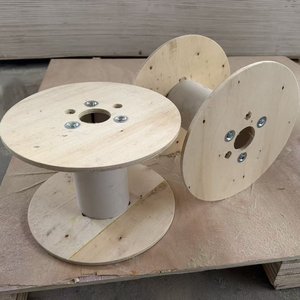
Supporting Kanagawa and Greater Tokyo production corridors, heavy-duty rivet configurations accept particle board, solid steel plate, or wire mesh decking to hold casting dies, CNC tool heads, and wire harness spools with zero lateral deflection under full UDL conditions.
Understanding how Japan's stringent building codes and demographic transformations reshape material handling specifications.
In accordance with Japanese Building Standard Law (Kenchiku Kijun-hō), industrial storage exceeding standard thresholds must withstand severe acceleration forces. Our rivet frames incorporate heavy baseplates anchored with specialized mechanical wedge or chemical expansion bolts into reinforced slabs. Additional diagonal sway bracing dampens torsional sway during seismic oscillations, preventing catastrophic cascade failures.
With commercial Tokyo warehouse leasing rates commanding top-tier premiums, floor storage is cost-prohibitive. Facilities utilize 5-meter to 10-meter vertical clear heights. Combining industrial double-rivet shelving with intermediate structural catwalks or rack-supported mezzanine floors doubles square meterage without requiring additional land acquisition or municipal zoning modifications.
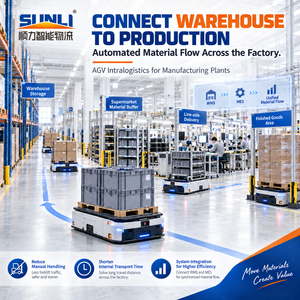
Labor shortages across Japan have stimulated rapid robotic automation. Modern rivet racking layouts feature expanded bottom clear-spans engineered specifically to accommodate AMR drive-in docking tunnels, blending reliable static boltless shelf structures with autonomous sortation and goods-to-person workflows.
Combining complete vertical supply integration, rigorous international engineering credentials, and comprehensive life-cycle support.
Operating dedicated roll-forming, automatic stamping, and high-speed electrostatic powder-coating lines. We control metallurgy, hole tolerances, and finishing thicknesses from cold coil unrolling to final pallet pack-out, guaranteeing strict alignment tolerances.
Operating under certified ISO 9001 quality management and ISO 14001 environmental frameworks. All product profiles undergo destructive weight simulations and cyclical stress inspections, delivering consistent performance verified across industrial testing benches.
We do not merely supply steel; our application engineers review AutoCAD layouts, load paths, clear under-sprinkler clearances, and equipment radii. We deliver complete engineering documentation, site sign-off inspections, and rated capacity signage.
Clear answers to crucial engineering, compliance, and logistics questions encountered by Japanese distribution managers and procurement officers.
A: The interlocking double-rivet architecture creates a semi-rigid joint that inherently absorbs vibrational energy without loosening fastener hardware. When paired with our high-grade anchor floor plates, cross-aisle ties, and structural top-ties, systems meet all critical safety margins outlined for Tokyo seismic zones.
A: Yes. One of the core advantages of boltless rivet racking is the completely hardware-free design. Beams can be unseated using a soft-faced rubber mallet and reseated at any desired 38mm or 50mm elevation increment, drastically reducing operational downtime during layout conversions.
A: For general warehouse logistics and dry goods picking, high-density particle board or laminate MDF provides optimal economics. However, under Tokyo Metropolitan Fire Department regulations, specific high-bay facilities require open wire mesh decking or perforated steel panels to ensure unhindered fire sprinkler water penetration.
A: Standard customized factory production averages 15 to 25 operational days depending on volume. Direct ocean freight from our manufacturing export hubs to the Port of Tokyo (Oi or Aomi container terminals) typically adds 7 to 12 days, ensuring rapid delivery schedules for new facility buildouts.
A: Absolutely. We provide comprehensive technical calculation sheets including load-bearing capacity data, beam deflection ratios under continuous UDL (exceeding 1:200 safety standard thresholds), and steel material mill certificates to support municipal approvals.
A: Yes. Because we control roll-forming and computer-controlled hole punching in-house, we customize upright posts to exact millimeter specifications, ensuring complete overhead clearances beneath air ducts, piping, and building HVAC runs.
Discuss your operational layout, structural load requirements, and spatial footprints with our certified racking engineering team. Receive comprehensive CAD layouts, technical load calculations, and competitive factory-direct quotations.
Contact Us