Heavy Duty
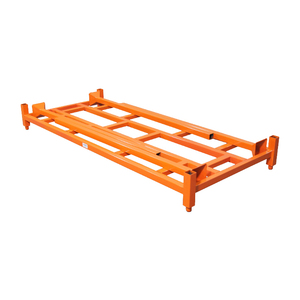
Engineered to international FEM & RMI standards for cold rooms, e-commerce fulfillment, and heavy industrial plant storage across Hanoi, Bac Ninh, and Haiphong.
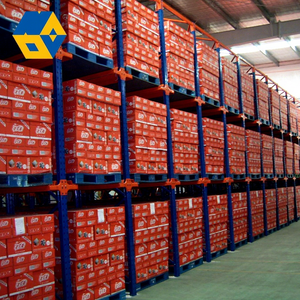
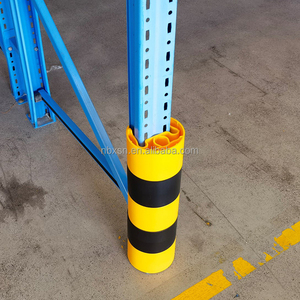
Analyzing Hanoi's Industrial Corridor: Land Economics, High-Humidity Environments, and High-Density Warehouse Engineering
The Greater Hanoi Metropolitan Area—spanning key industrial centers across Bac Ninh, Bac Giang, Vinh Phuc, Hung Yen, and Haiphong—has rapidly evolved into East Asia’s premier high-tech manufacturing hub. Driven by massive capital inflows in consumer electronics, automotive assembly, semiconductor packaging, and third-party logistics (3PL), industrial real estate demand in Northern Vietnam has reached historic peaks. With land lease costs in tier-1 industrial zones exceeding premium thresholds, enterprise facility managers are forced to transition from horizontal footprint expansion to high-density vertical cube utilization.
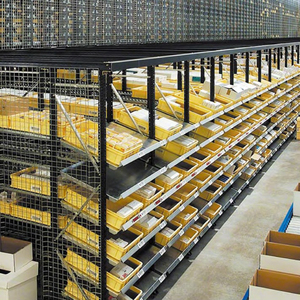
Deploying heavy-duty industrial boltless rivet racking systems and structural rack-supported platforms provides Hanoi-based operations with an immediate competitive advantage. Boltless rivet rack architectures feature interlocking keyhole or teardrop slots that eliminate structural flex while permitting rapid tool-free beam adjustment. This agility is vital for high-SKU-density electronics assembly lines where component box sizes change dynamically per manufacturing run.
Engineering Fact: Industrial rivet rack systems manufactured from cold-rolled structural steel (Q235B/Q355B grade) provide up to 40% higher structural stiffness-to-weight ratios compared to conventional slotted angle iron, making them the standard choice for Northern Vietnam’s electronics and automotive logistics operations.
Northern Vietnam experiences extreme sub-tropical climatic conditions, including high ambient humidity levels exceeding 85% during the spring "Nồm" weather phenomenon, alongside severe temperature fluctuations. Standard painting methods lead to rapid micro-fissuring, rust creep, and structural degradation of industrial shelving. Premium Chinese manufacturing exporters mitigate this risk by employing a rigid 9-stage automatic chemical pre-treatment process—including degreasing, zinc-phosphate conversion coating, and passivation—followed by electrostatic thermosetting epoxy-polyester powder coating (60–90µm thickness). Systems tested under ISO 9227 salt spray standards demonstrate zero oxidation over 500+ continuous hours, ensuring decade-long operational integrity in non-climate-controlled Hanoi facilities.
Understanding Column Profiles, Beam Dynamics, and Load Capacity Mechanics
Industrial rivet racks utilize cold-formed steel angle uprights punched at precise 1.5-inch or 2-inch pitch increments. Rivets factory-welded to structural horizontal and diagonal shelf beams drop directly into keyhole slots, creating a rigid structural node via gravity locking. Unlike traditional nut-and-bolt shelving that loosens under mechanical vibrations from nearby forklift traffic or conveyor operations, rivet racking connections self-tighten under load down-force.
Single-rivet beams feature a low-profile edge ideal for maximizing vertical shelf spacing in light-to-medium hand-loading applications (up to 150-250 kg/level). Double-rivet beams utilize two pins per connection point, offering robust structural resistance against beam rotation and supporting Uniformly Distributed Loads (UDL) up to 800 kg per shelf tier.
Configurable with moisture-resistant high-density Melamine/MDF panels, galvanized steel shelf plates (impervious to oil and chemicals), or heavy-gauge steel wire mesh decks. Wire mesh decking promotes vertical airflow, prevents dust accumulation, and satisfies international NFPA / Fire Code overhead sprinkler penetration rules.
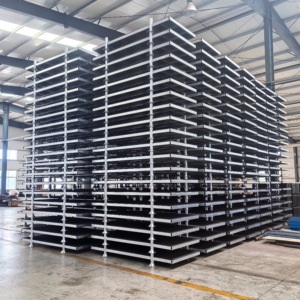
Engineered with heavy-duty footplates anchored directly to reinforced concrete slab foundations. Optional top tie-bars, back-to-back row spacers, and diagonal framing braces comply with FEM 10.2.02 and ANSI/RMI MH16.1 storage rack design standards for seismic zone compliance.
Compare performance parameters across common industrial storage configurations to select the optimal setup for your Hanoi warehouse:
| Storage System Type | Load Capacity (Per Tier / Level) | Assembly Mechanism | Ideal Application / Goods Type | Cost per Storage Unit |
|---|---|---|---|---|
| Light Duty Rivet Rack (100 Series) | 100 kg – 250 kg UDL | Boltless Single/Double Rivet | Small parts, retail backroom, e-commerce picking, office archives | Low / Economical |
| Medium Duty Longspan (2000 Series) | 300 kg – 800 kg UDL | Step-beam with safety pins | Bulky cartons, heavy machinery spare parts, maintenance bays | Moderate |
| Heavy Duty Selective Pallet Rack | 1,000 kg – 3,500 kg / Beam Level | Teardrop / Box Beam Hook Interlock | Palletized finished goods, FMCG distribution, raw material stores | Medium - High |
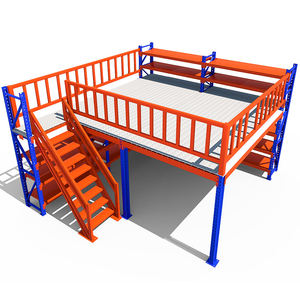
| Steel Structure Mezzanine Platform | 300 kg – 1,000 kg / m² Floor Area | Bolted Structural Beam & Column | Multi-level warehouse expansion, overhead office spaces, assembly zones | High Value / Capital Investment |
Optimizing Land Freight, Duty-Free Tariffs via ACFTA Form E, and On-Site Deployment
Direct proximity between Chinese manufacturing hubs (Zhejiang, Jiangsu, Guangdong) and Northern Vietnam provides Hanoi buyers with unmatched procurement velocity. Storage racking systems manufactured in China can be routed via direct land freight through the Pingxiang / Lạng Sơn (Hữu Nghị Gate) overland border or shipped via sea freight directly to Haiphong Port (Deepwater Terminal).
Overland container trucking from South/East China factories to Hanoi industrial zones takes as little as 3 to 5 business days, reducing logistics buffer requirements for fast-track factory fit-outs.
Under the ASEAN-China Free Trade Area (ACFTA) agreement, steel racking structures imported into Vietnam under HS Code 7308.90 qualify for 0% preferential tariff rates when accompanied by a valid Form E Certificate of Origin issued by China Customs.
State-of-the-art manufacturing facilities utilize automated continuous CNC roll-forming machinery, robotic laser welding stations, and optical deflection measurement devices to ensure straightness tolerances within ±0.5mm per meter of upright length.
Technical guidance for warehouse managers, industrial engineers, and procurement directors in Northern Vietnam.
Production lead times for custom-engineered orders typically range from 10 to 15 calendar days. Transit times via cross-border land freight (Pingxiang/Hữu Nghị gate) to locations such as VSIP Bac Ninh, Thang Long Industrial Park, or Dong Anh total approximately 3 to 5 days. Total project turnaround from drawing approval to site delivery is routinely completed within 3 weeks.
We supply complete Form E Certificates of Origin accredited under the ASEAN-China Free Trade Area (ACFTA) agreement along with commercial invoices, packing lists, and bill of lading documents. This documentation enables your customs broker in Vietnam to clear the shipments under HS Code 7308.90 at a 0% preferential tariff rate.
Yes. All structural components undergo a rigorous 9-stage pre-treatment wash and are electrostatically coated with industrial-grade thermosetting epoxy-polyester powder (60–90 micron thickness). For high-moisture or cold-chain operations, we recommend hot-dip galvanized finishes or pre-galvanized structural steel components that prevent rust formation even during peak seasonal humidity.
Absolute engineering support is provided as standard. Our application engineering team generates detailed AutoCad floor plans, 3D structural elevation renders, and certified load calculation sheets based on your specific floor slab specs, pallet dimensions, clear ceiling heights, and forklift turn radius parameters. Installation teams or detailed assembly documentation can be deployed upon project execution.
Connect with our senior storage application engineers today. We provide complimentary CAD layout consultation, technical load analyses, and factory-direct pricing tailored for Northern Vietnam enterprise projects.
Contact Us